
For folks who enjoy shooting sports, it will probably not come as much of a surprise to learn that the .22 LR is the most popular cartridge in the United States. On average, about 1.5 billion rounds are manufactured and sold annually, or roughly 19 percent of all the ammunition produced domestically. Plenty of enthusiasts shoot it from a variety of pistols, revolvers and long guns for pursuits that include small game hunting, formal target shooting competitions and casual plinking.
Due to its ubiquitous availability, and its other positive shooting characteristics, it’s only natural that .22 LR would find its way into defensive situations. Some revolvers and pistols are configured for concealed carry. Others are “trainers” chambered in .22 LR that mimic the look, size and controls of compact or duty-size centerfire guns. And you will find plenty of accounts of sporting .22s pressed into service under less-than-ideal circumstances.
The use of rimfire handguns for protection has been hotly debated for years. For those who are new to handguns or in search of reduced recoil defensive options, the .22s can be quite attractive. But they also have some notable drawbacks. With this in mind, here are a few things to consider.
Affordable Prices vs. Reduced Reliability
The rimfire .22 LR continues to be the least-expensive rifle and handgun round available. Prices have gone up noticeably in recent years, but this round is still much less costly than centerfire options. As of this writing, 100 rounds of practice-grade .22 LR is roughly half the price of 50 rounds of budget-priced 9 mm. This is also true when comparing 100 rounds of standard or hunting-grade .22 to 20 rounds of premium 9 mm defensive hollow points. This two-for-the-price-of-one difference adds up quickly at the shooting range.
However, one of the most common causes of a failure to fire with .22 LR handguns is a faulty primer. The priming compound is dropped into the cartridge case as a liquid. The cases are then spun to drive the compound into the hollow rims and allowed to dry. This process works well much of the time, but it can result in gaps or flaws in the priming compound. The result can be a click instead of a bang when the firing pin strikes the cartridge rim.
Centerfire primers are significantly more reliable. In the course of testing several different types and calibers of handguns over the years, I’ve had to shoot my way through thousands of centerfire rounds to discover one cartridge with a faulty primer. But when shooting through a 500-round bulk-box of .22 LR, anywhere from three to a half dozen faulty primers is just par for the course.
Low Recoil vs. Ammunition Sensitivity
When fired from revolvers or pistols, the .22 LR is, generally speaking, the softest-shooting of the commonly available sporting cartridges. The lightweight bullets launching at more moderate velocities produce levels of felt recoil ranging from tame to barely noticeable, depending on the handgun used. For those who wrestle with managing felt recoil, the rimfires are an attractive option.
But when it comes to ammunition sensitivity, semi-automatic .22 LR pistols are probably the most finicky handguns on the market. I’ve tested models that just would not run reliably with a handful of loads from a particular manufacturer while humming along smoothly with any load from another company.
Although a particular bullet shape might cause malfunctions, ammunition velocity is a more important detail. Some pistols will not cycle properly unless a high- or hyper-velocity round is used. The only way to know for certain with a given pistol is to test a variety of loads until you find the practice-grade and premium rounds that work in that particular gun.
Practice vs. Performance Potential
Regular practice sessions at the shooting range are important for honing defensive pistol skills. This is one area where .22 pistols excel. The lower ammunition costs and reduced recoil make range sessions not only more affordable but also more enjoyable. It’s good fun to warm up or cool down with 50 to 100 rounds of rimfire along side of a centerfire handgun or two.
But .22 LR as a handgun round has notable limitations. The bullets are small and light with typical weights in the 32- to 40-grain range. Designed primarily for use in carbine and rifle-length barrels, shooting .22 LR from handgun-length barrels causes a significant drop in the bullet’s already moderate levels of velocity. In most cases, hollow point bullets do not gain enough velocity from a handgun in order to expand properly.
With today’s premium defensive loads, it is possible for a rimfire handgun, when loaded with the right ammunition, to produce sufficient levels of penetration (12 to 18 inches) to meet FBI ballistic gel testing requirements. For those interested in self-defense, this is enough performance for them to choose it. However, sufficient penetration is not guaranteed, and the soft tissue disruption is minimal at best.
Can a .22 LR be “enough gun” for self-defense? Possibly. Are there gun and ammunition combinations that are more effective defensive tools? Definitely.
.22 LR Handgun Practicalities vs. Defensive Pragmatism
In regards to the practicalities of handgun ownership, the rimfires have a good deal going for them. The guns and the ammunition are inexpensive, there are plenty of terrific models to choose from, and they are a hoot to shoot. No handgun collection is truly complete without at least one.
For self-defense, there are those who are going to reach for a .22. For some, it’s the only gun they have or the gun that is at hand when the balloon goes up. For others, it’s a matter of recoil management, due to age or injury or other factors. In these instances, here are a few tips to keep in mind.
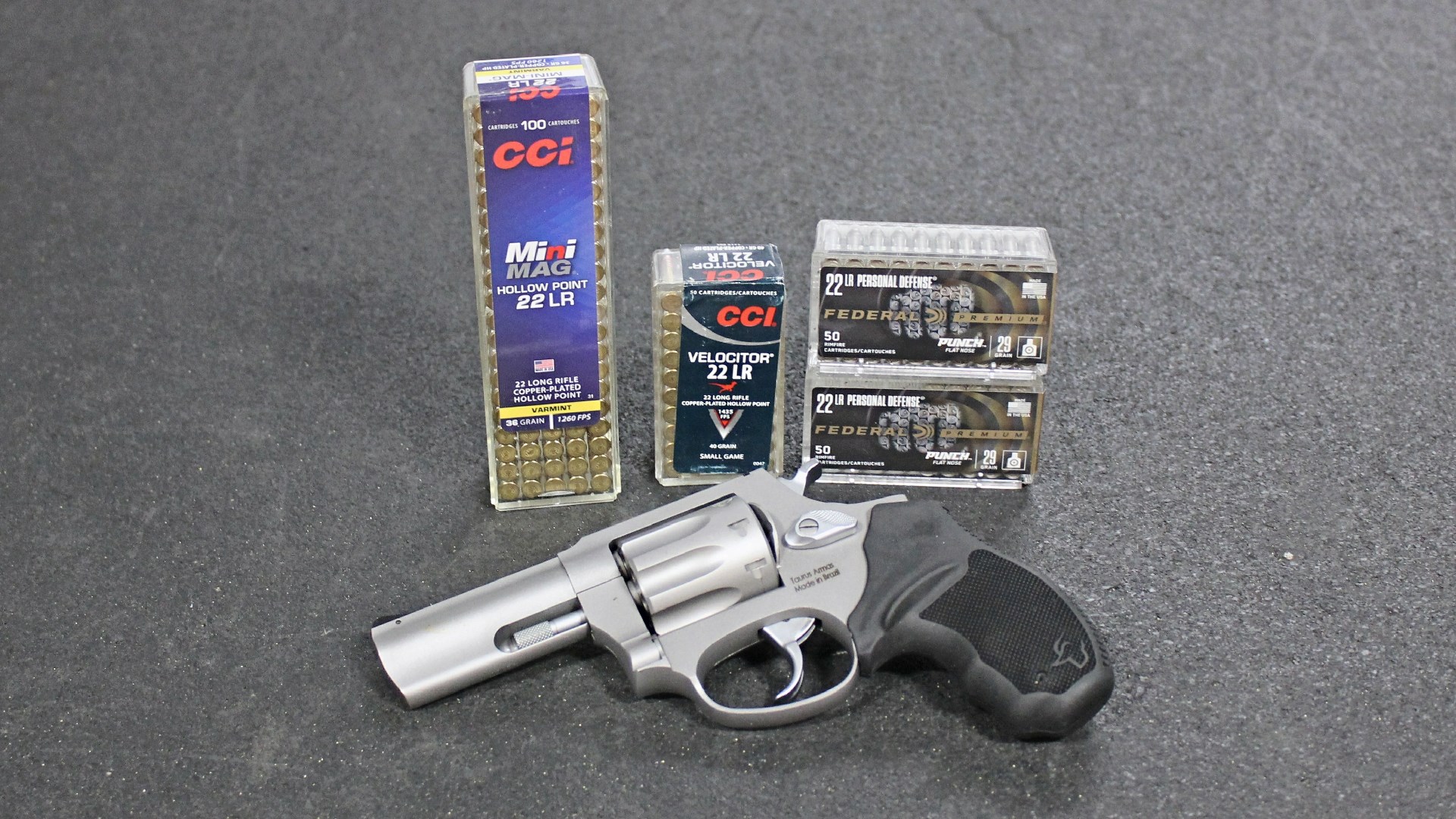
All defensive firearms should only be readied for use after being properly cleaned and lubricated, but this is especially true for .22 LR pistols. They should be spotlessly clean to help avoid malfunctions. For defensive use, do not load the gun with practice-grade ammunition, since it is more prone to malfunctions. Stick with a premium-grade load that has been thoroughly tested in that particular gun and proven to be reliable (at least as reliable as .22 LR can be). Load up the spare magazines or speedloaders you have and keep them at hand. And last, but not least, be both mentally and physically prepared to fire follow-up shots as needed.
However, no matter how you slice it, a .22 LR handgun of any variety is not an optimal choice for personal protection due to its performance and reliability limitations. If you can afford to purchase a centerfire handgun and you are physically capable of managing it, that would be a superior option to packing or staging a .22 LR.
If you would like to learn more about .22 LR ammunition and the handguns pictured here, take a look at these posts:
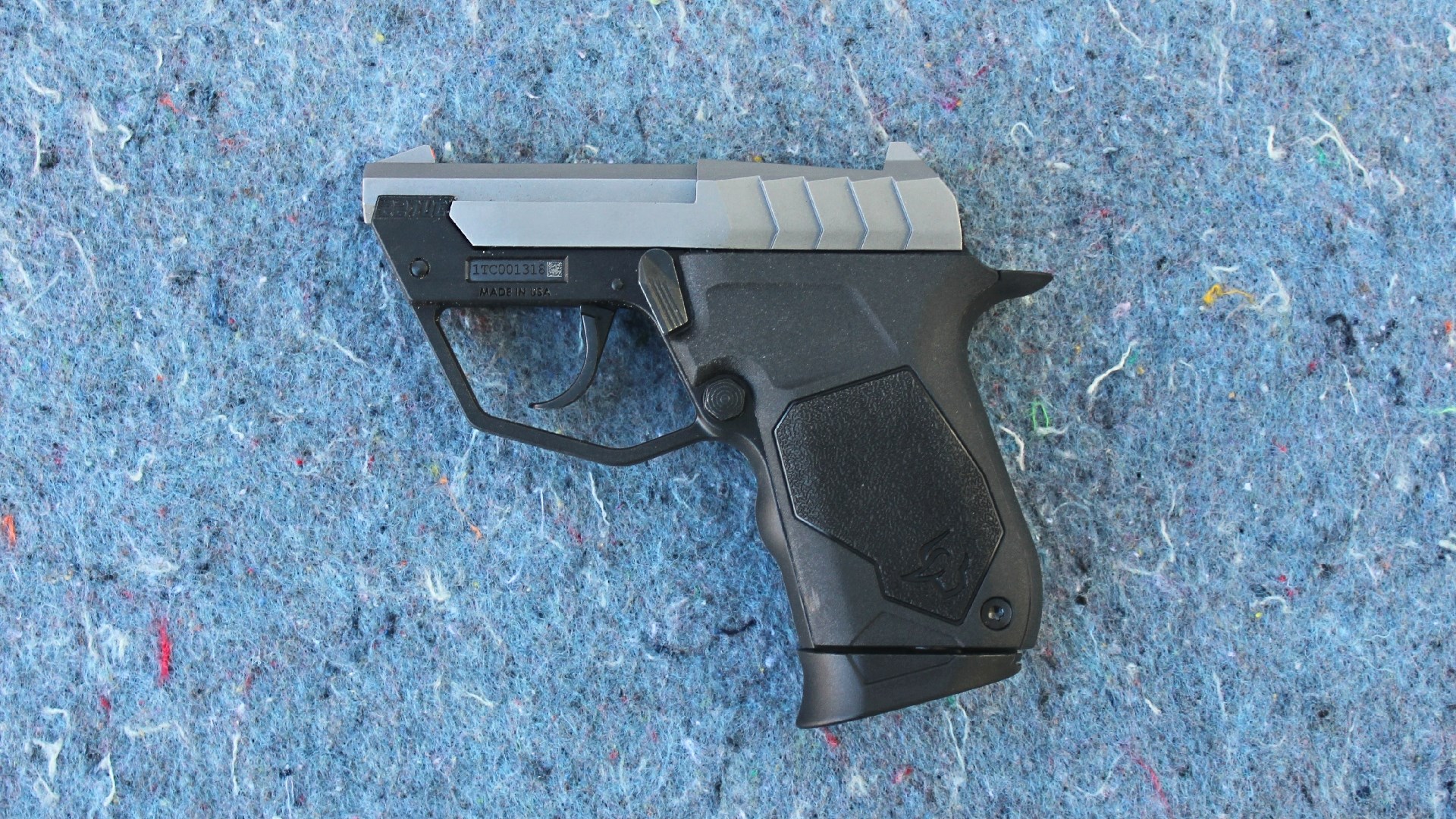
Ruger LCP II .22 LR Pistol
Battle Of The Kit Guns: .22 Long Rifle vs. .22 WMR
Taurus Optics-Ready TX22 Compact .22 LR Pistol
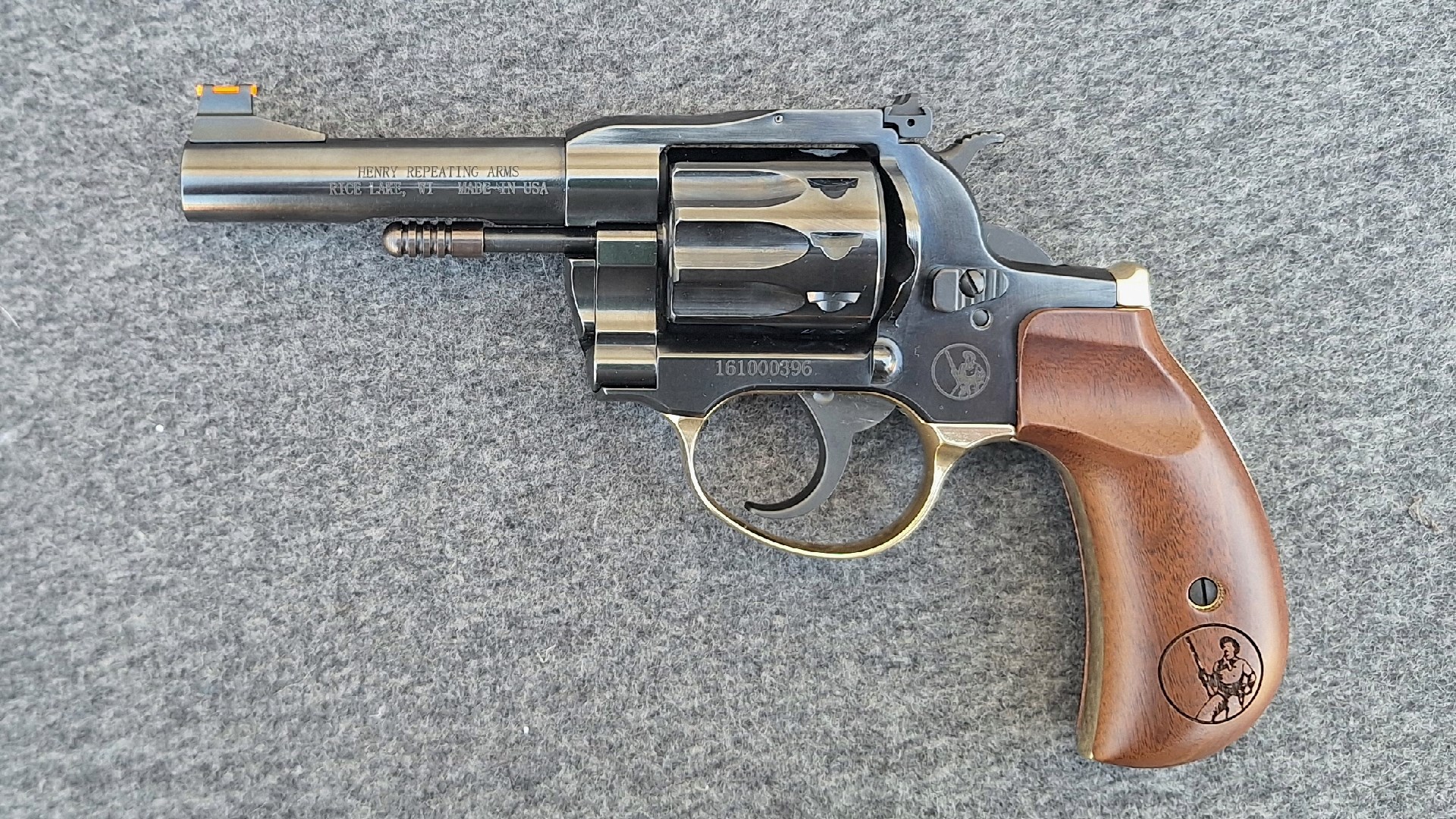
Henry’s H16 Golden Boy .22 LR Deadeye Revolver
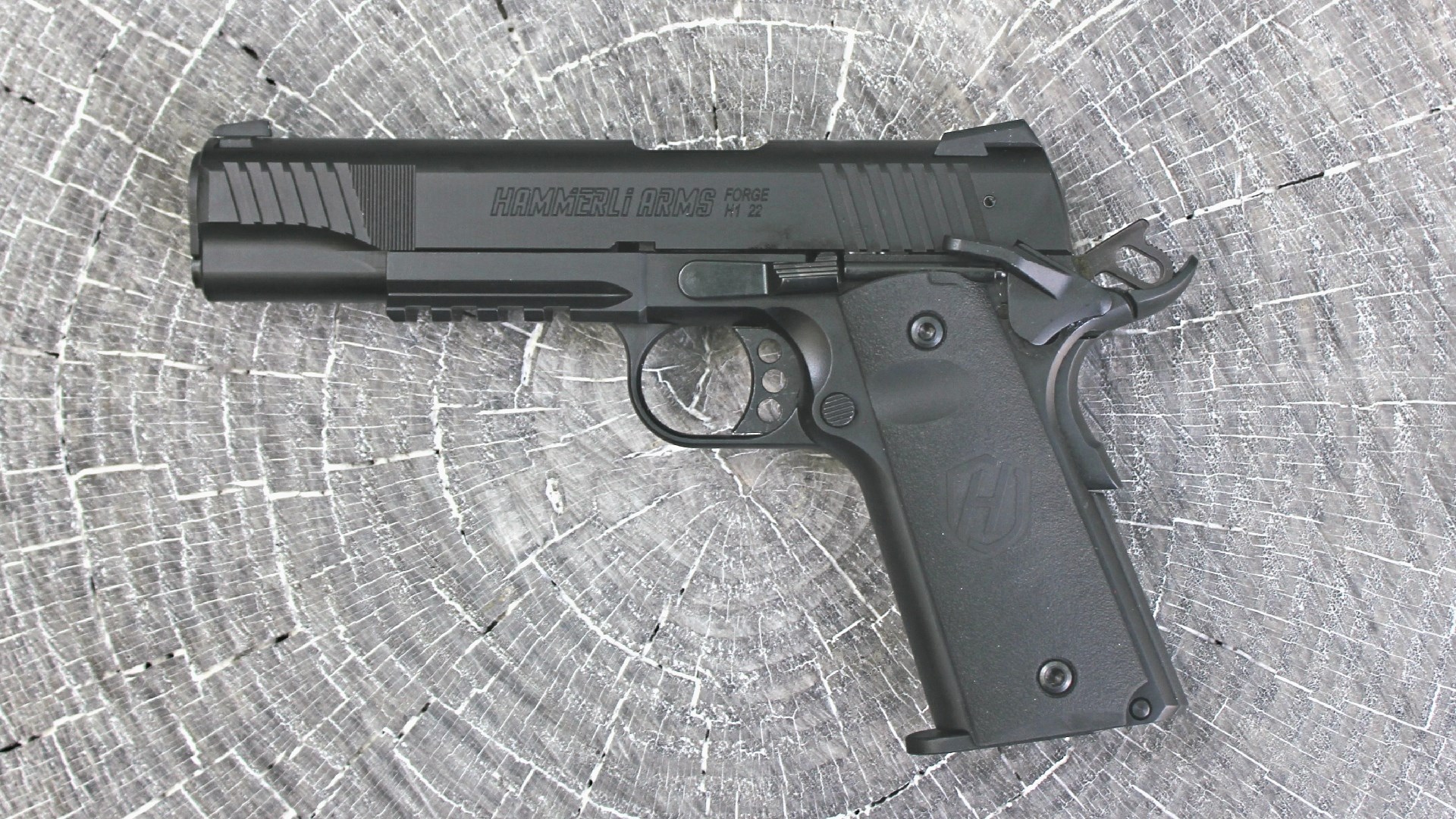
4 Reasons to Check Out the Hammerli Arms Forge H1 .22 LR Pistol
.22 LR Ammunition: More Diverse Than You Think
Read the full article here