
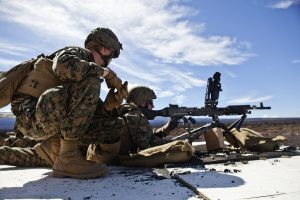

The concept of the light machine gun was born on the battlefields of World War I. By the time of the 1918 Armistice, every major combatant was fully engaged in developing lighter machine guns that gave their infantry units a mobile base of firepower.
In 1915, the French fielded the first light machine gun to be used in significant numbers—the much-maligned “Chauchat,” the Fusil-Mitrailleur mle 1915 CSRG machine rifle. While the Chauchat was a dreadful design in a number of ways, its basic concept as a battlefield machine gun was fully validated. The 20-pound Chauchat (chambered in 8 mm Lebel, with a 240 round-per-minute cyclic rate) served the French, and then the American Expeditionary Forces (as the Automatic Rifle, Model 1915), through 1918. Despite its flaws, three American gunners are documented to have used the Chauchat during actions that ultimately saw them awarded with the Medal of Honor. The “damned, jammed Chauchat” introduced the idea of a light machine gun and at least gave Allied infantrymen the notion of what they didn’t want in one.
On Feb. 27, 1917, the Browning Automatic Rifle (or “Browning Machine Rifle” at that point) was presented for the first time to military officials, politicians and members of the press. The live fire demonstration went so well that Browning was immediately awarded a contract by the US Army. There were French officials at the Congress Heights demonstration, and they could easily see the tremendous potential in Browning’s new automatic rifle. Their interest in the BAR continued as a small amount saw service with the Allied Expeditionary Force in the final battles of 1918. In the immediate postwar era, the BAR was at the top of France’s list for a new light machine gun.
A Home-Grown Solution
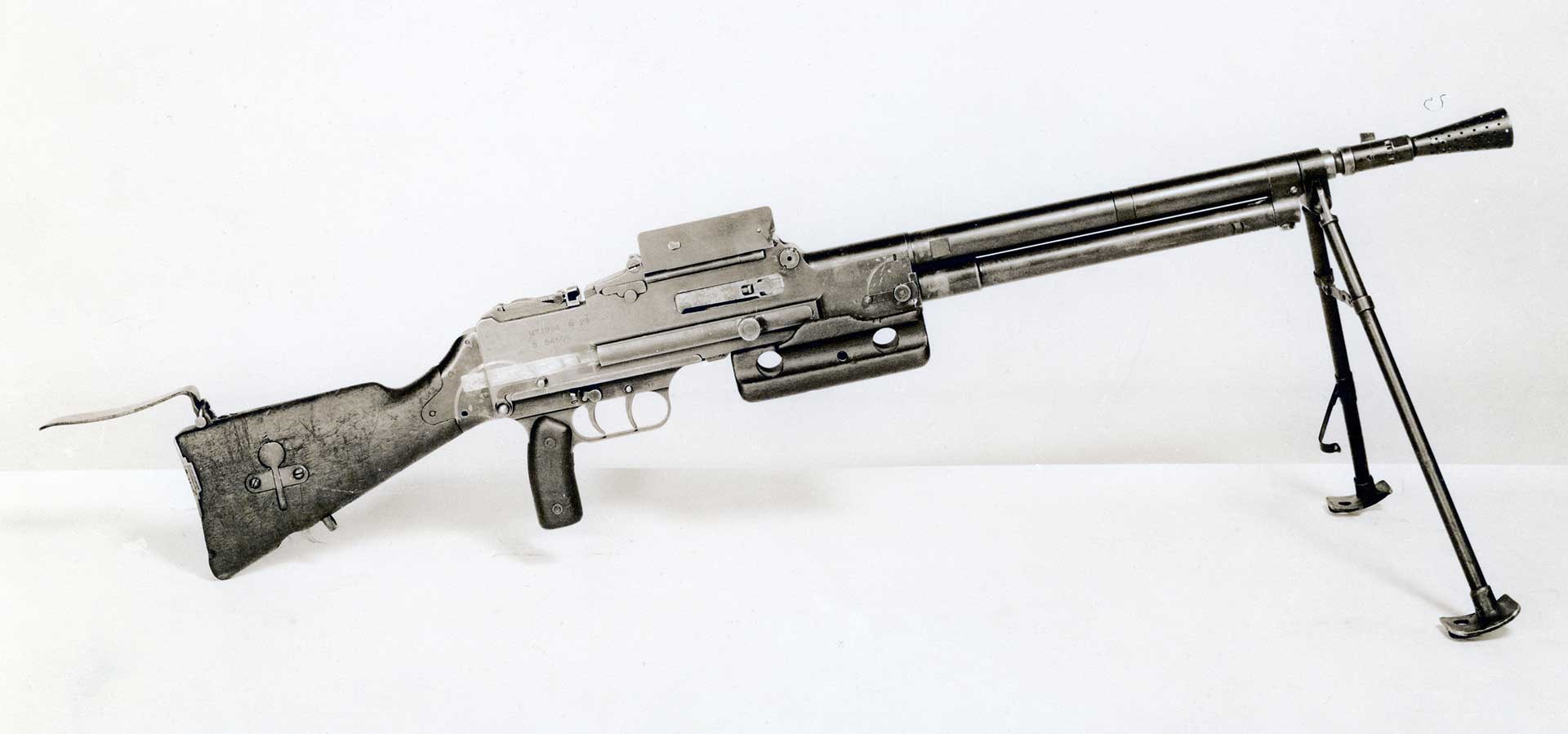
Initially, the French considered adopting a direct copy of the M1918 Browning Automatic Rifle. However, cost factors and national pride intervened. While the BAR, the Lewis Mk I and the Hotchkiss M1922 were all extensively tested, French leaders decided on a new light-machine-gun design that would be built in France.
Machine gun expert Lt. Col. George Chinn, USMC, commented on this development in his seminal book “The Machine Gun” (Bureau of Ordnance Department of the Navy, 1951):
“The French, ending World War I with the realization that they had been armed throughout the conflict with the worst automatic weapon ever designed, the Chauchat, were the first of the Allies to adopt a post-war machine gun. This new arrival was the Chatellerault, named after one of the French Government arsenals: Manufacture d’Armes de Chatellerault. It was in design very similar to both the Berthier and the American (Browning) BAR, having many features of each.”
The resulting design was impressive-looking and quite modern. Unfortunately, the new “Chatellerault” had not been thoroughly vetted beyond its formative stages, and the gun was wildly oversold at home and abroad.
For example, Parisian media highly touted the design as early as February 1924, with one account stating, “French arsenals are now working overtime to supply a large part of the French infantry with the new Chatellerault automatic rifle. A soldier can fire 30 shots from one burst from the shoulder with the new rifle and the French authorities consider it the most effective weapon of any army of the world. Eventually every French soldier will carry the new rifle.”
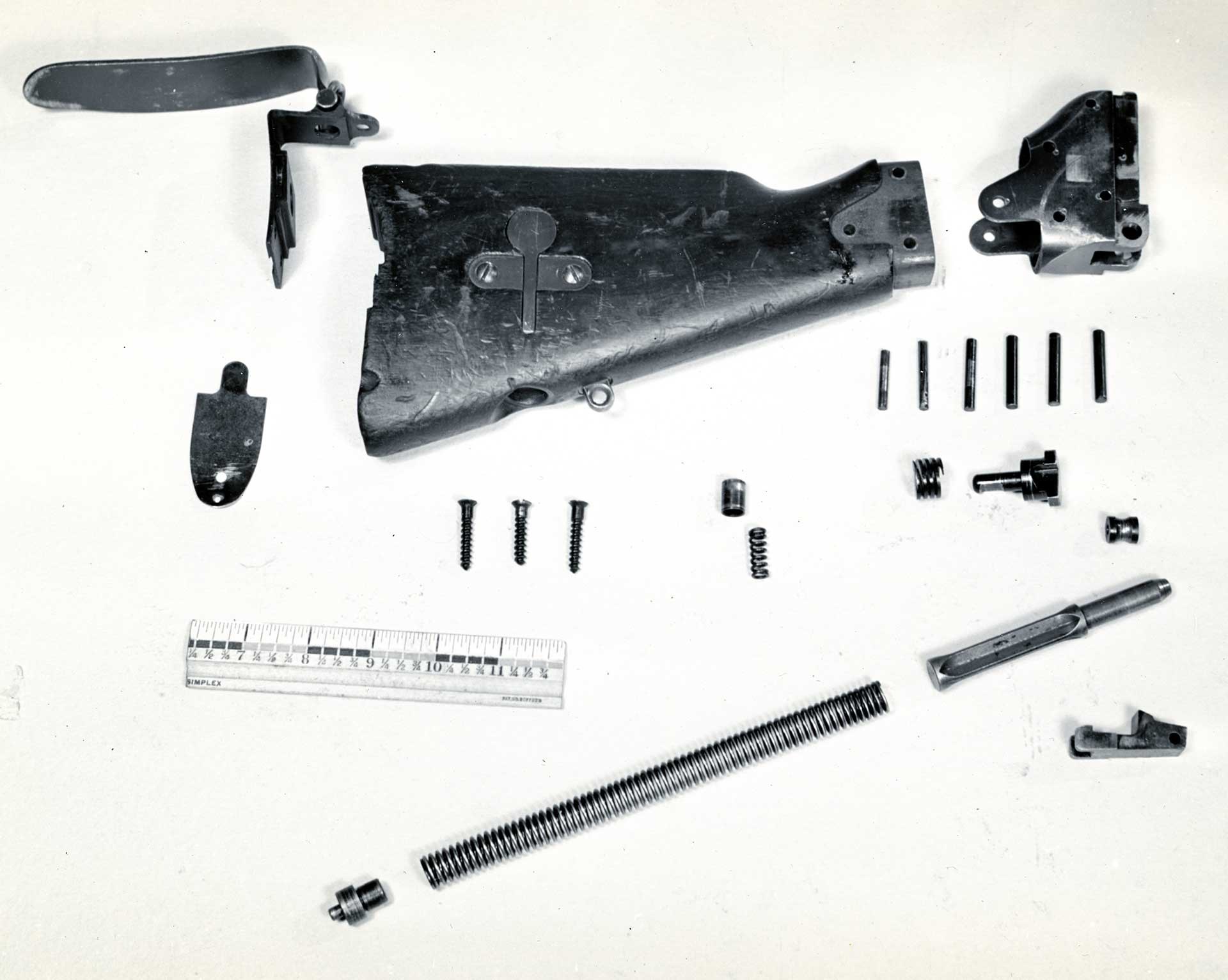
Such was the hope that each French Poilu would carry an automatic rifle—an impressive concept that was nearly 50 years ahead of time. Beyond the hype, there were serious issues lurking with the Chatellerault that needed mending. Disaster struck during an early demonstration to Romanian officials, a potential foreign buyer of the platform, when an FM/24 receiver exploded during the test, badly injuring the shooter and several members of Romanian purchasing commission. The sale was lost, of course, and the machine gun’s reputation was significantly compromised, even within the French army.
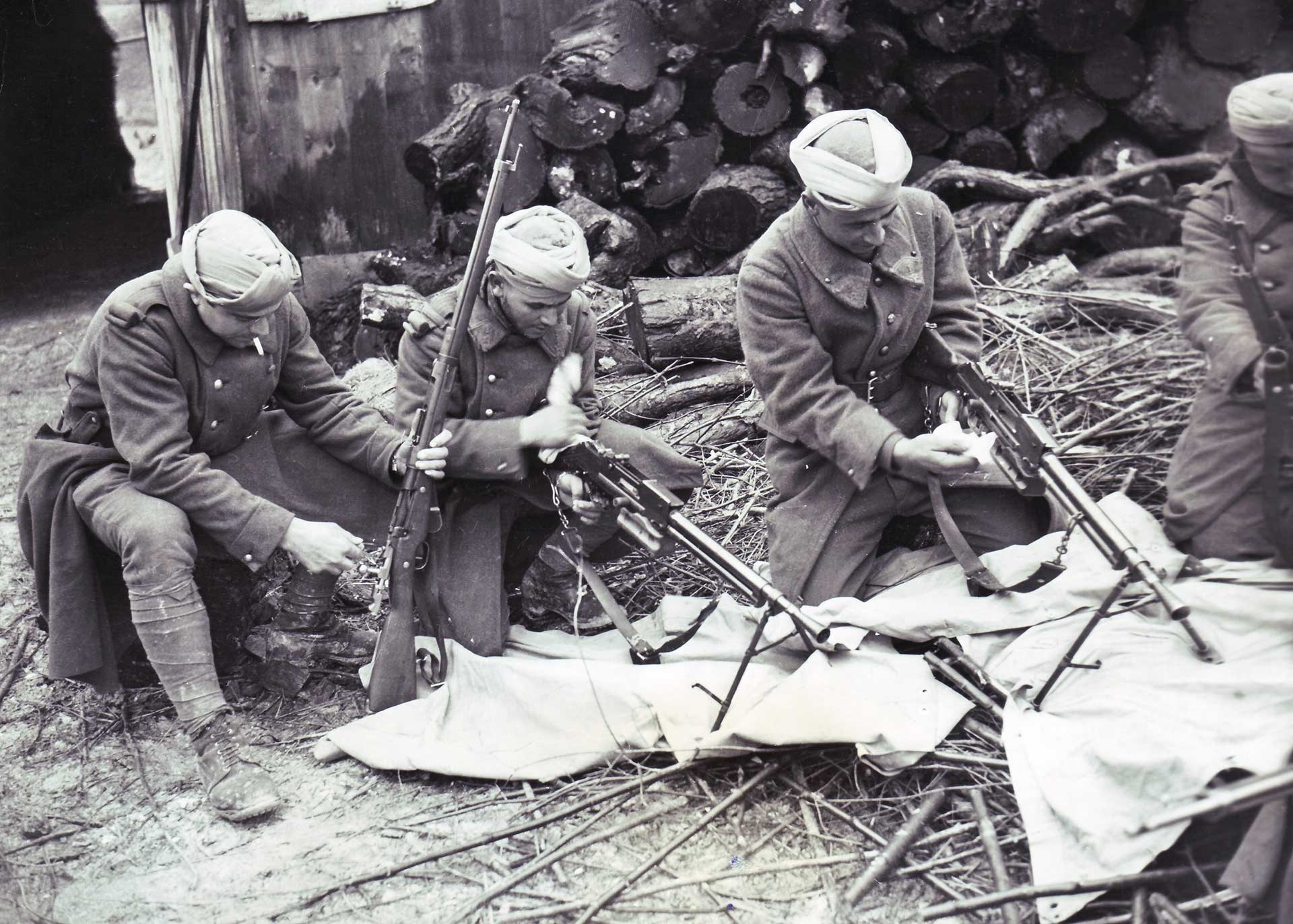
Enter The Fusil-mitrailleur Modèle 1924 Modifié 1929
The emergence of the Chatellerault light machine gun that we now know solidified with France’s 1929 commitment to the 7.5 mm French round (muzzle velocity 2,723 fps) as their standard rifle and machine gun ammunition. More than 45,000 of the FM Mle 1924s previously in service were re-barreled to accept the new ammunition. Following that, production of the updated FM Mle 1924/29 began in earnest. By the time production ceased in the early 1960s, more than 230,000 were made.
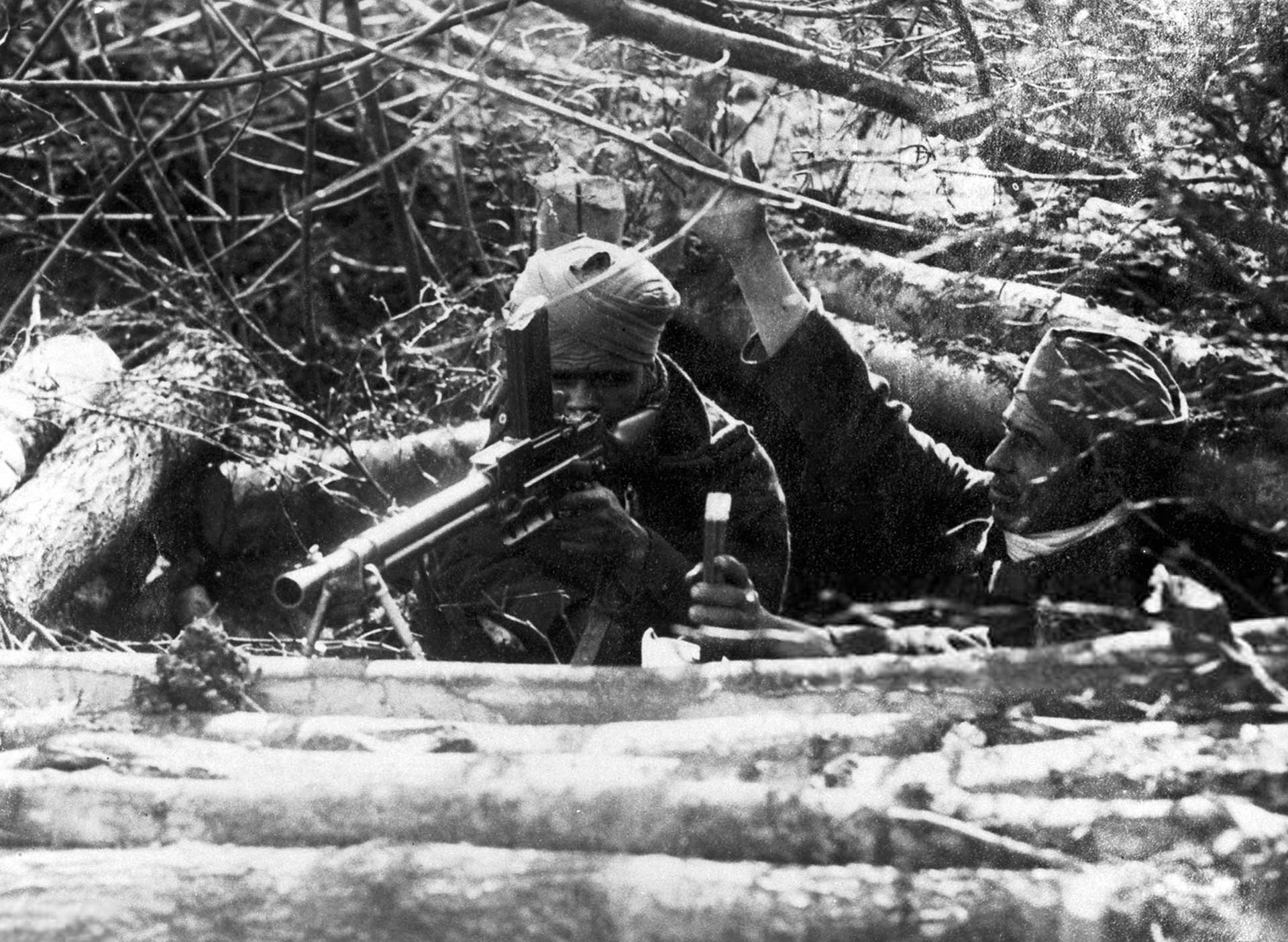
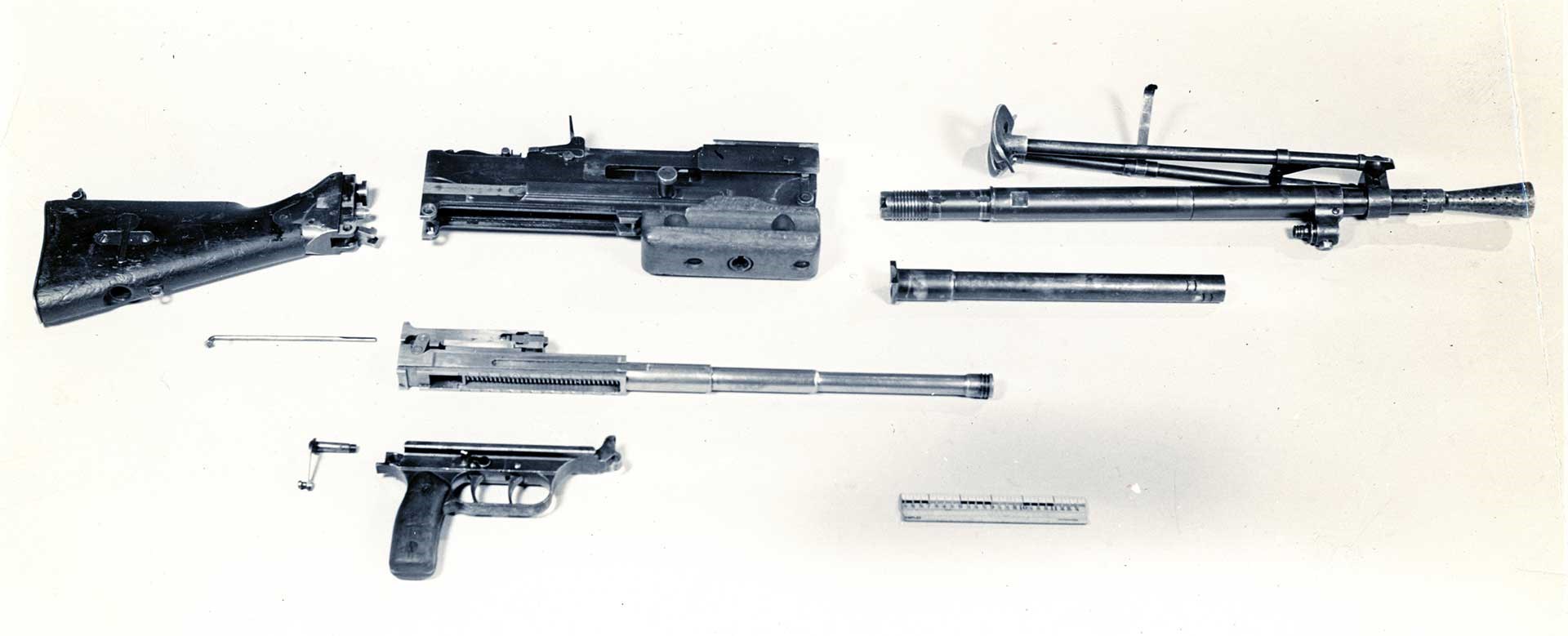
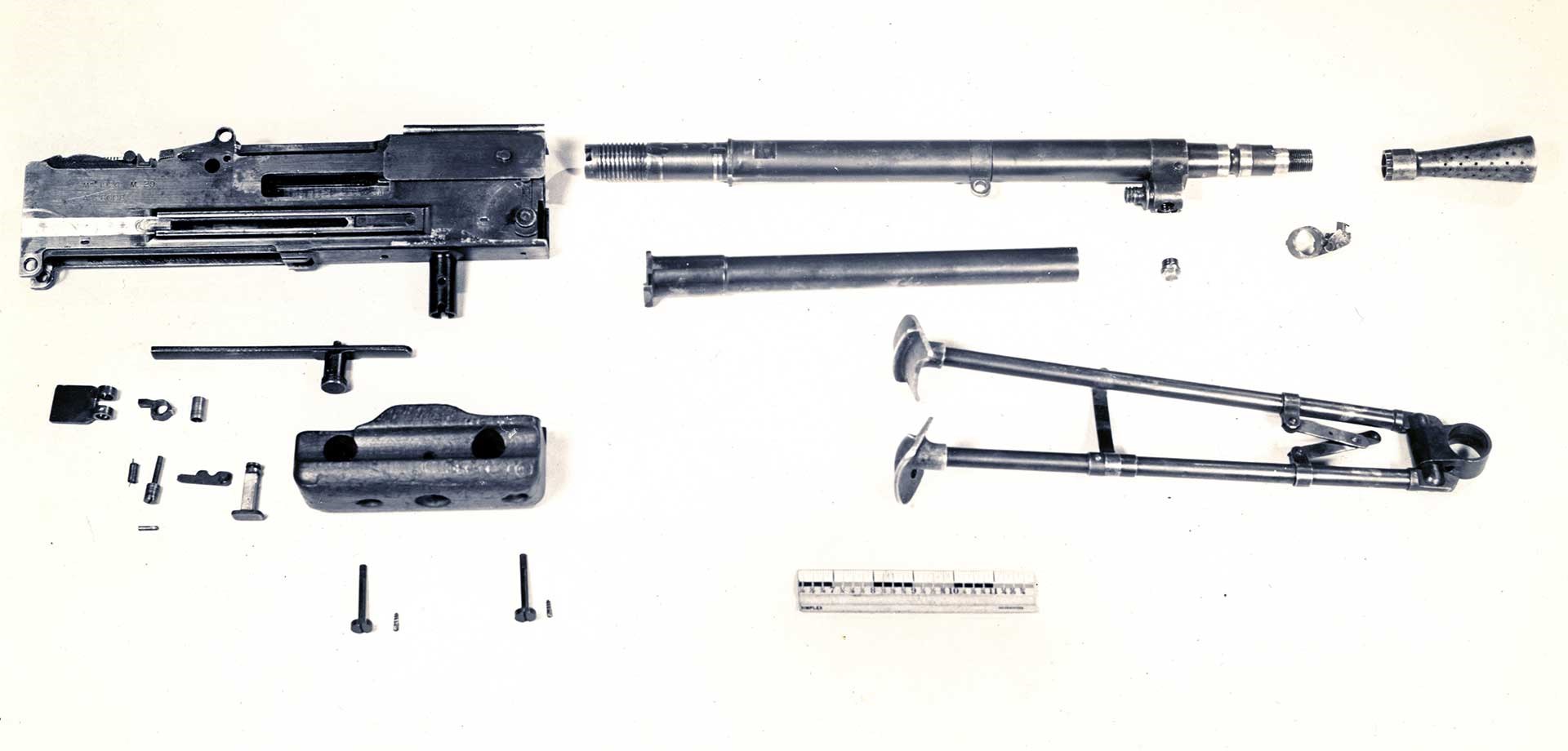
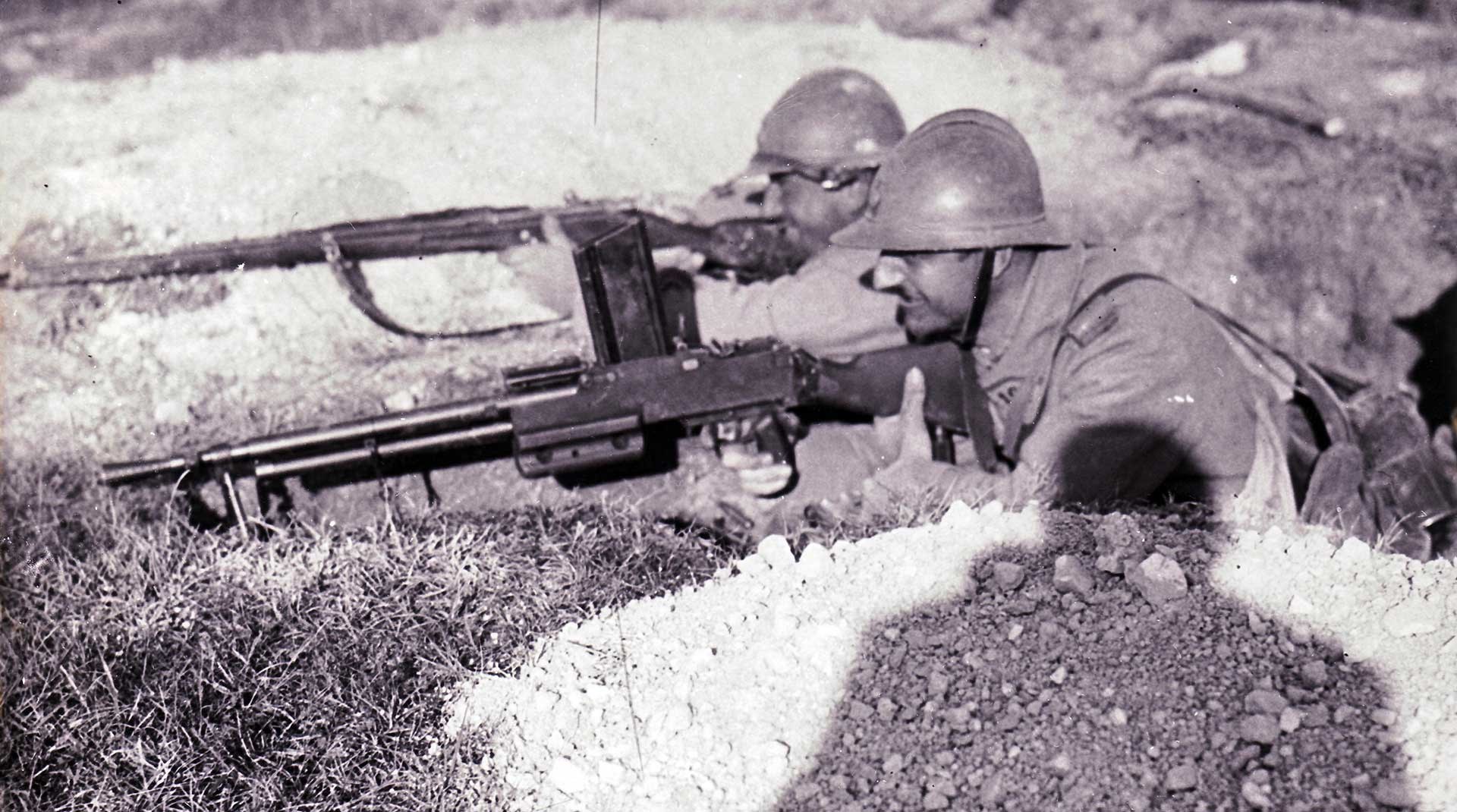
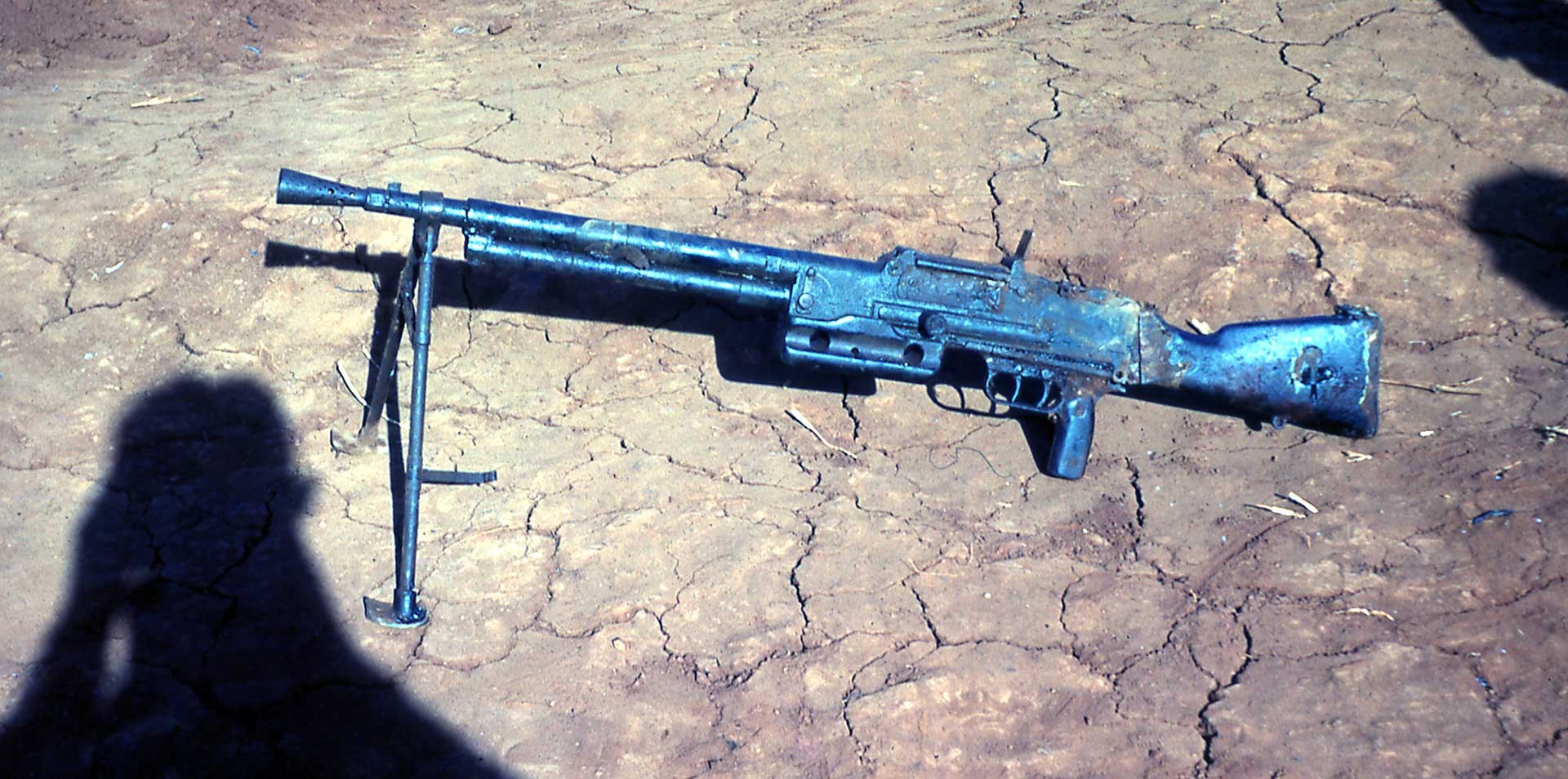
With its potential realized, the FM 24/29 was a handy, modern design. It is a gas-operated, air-cooled, selective-fire machine gun, firing from an open bolt. Its weight, with the bipod, is a manageable 19.6 pounds. Fed by 25-round box magazines, the FM 24/29 has a conservative 500 rpm cyclic rate. There are two triggers, the forward trigger used for single shots and the rearward provides automatic fire.
Allowing room for the top-loading magazine, the sight is offset to the left—the rear sight is graduated out to 2,000 meters in 200-meter increments. The 19.5-inch barrel features a small, conical flash hider. The wooden stock has a hinged shoulder rest. The folding bipod is relatively sturdy, and the FM 24/29 is considered a stable shooting platform.
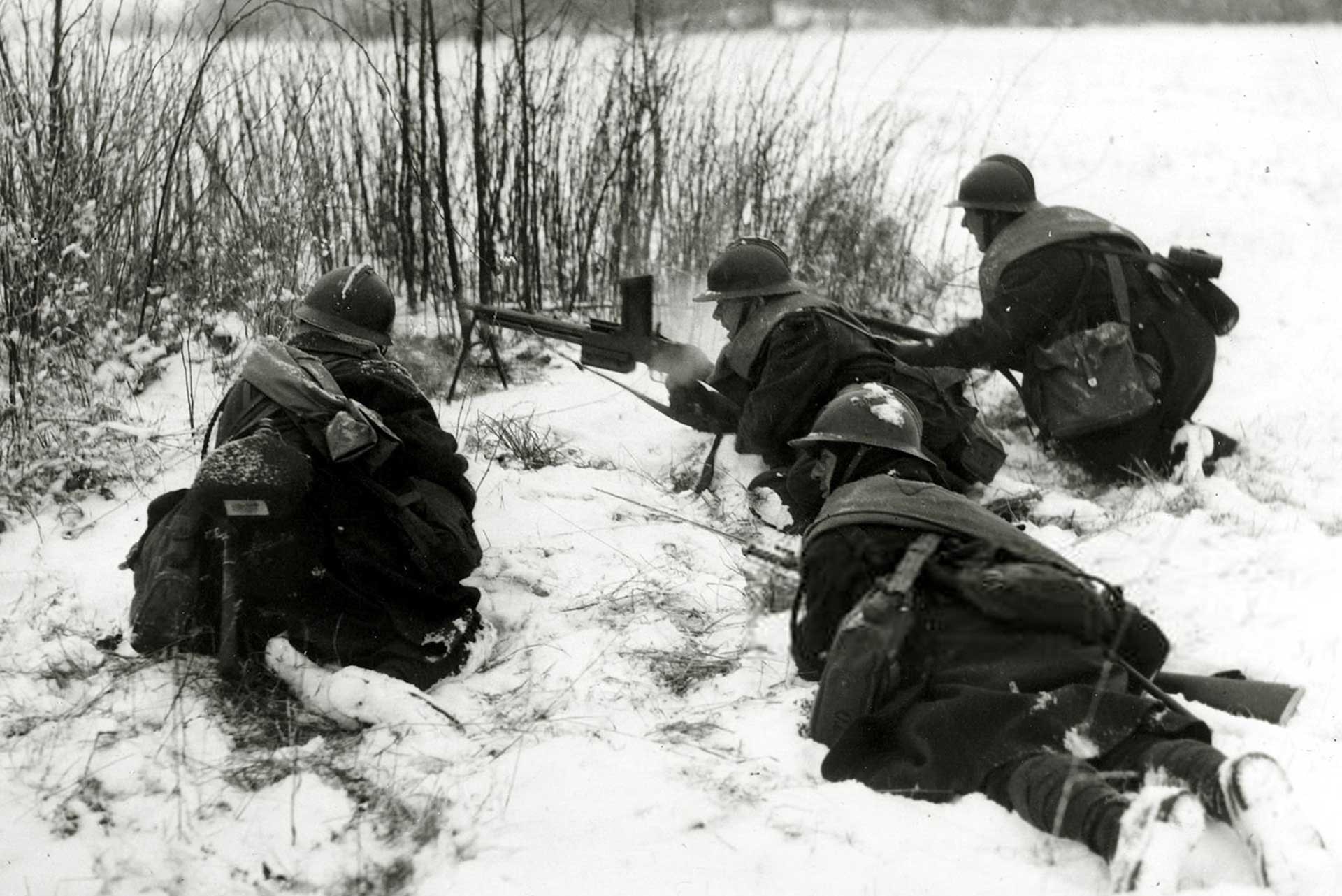
The Chatellerault’s low cyclic rate helped keep its barrel from overheating, and this, in turn, allowed for longer periods of continuous fire. The reduced rate of fire was a necessary compromise, as, like the BAR, the FM 24/29 did not have a quick-change barrel. Even so, the weapon performed well in the field and was respected for its accuracy and reliability.
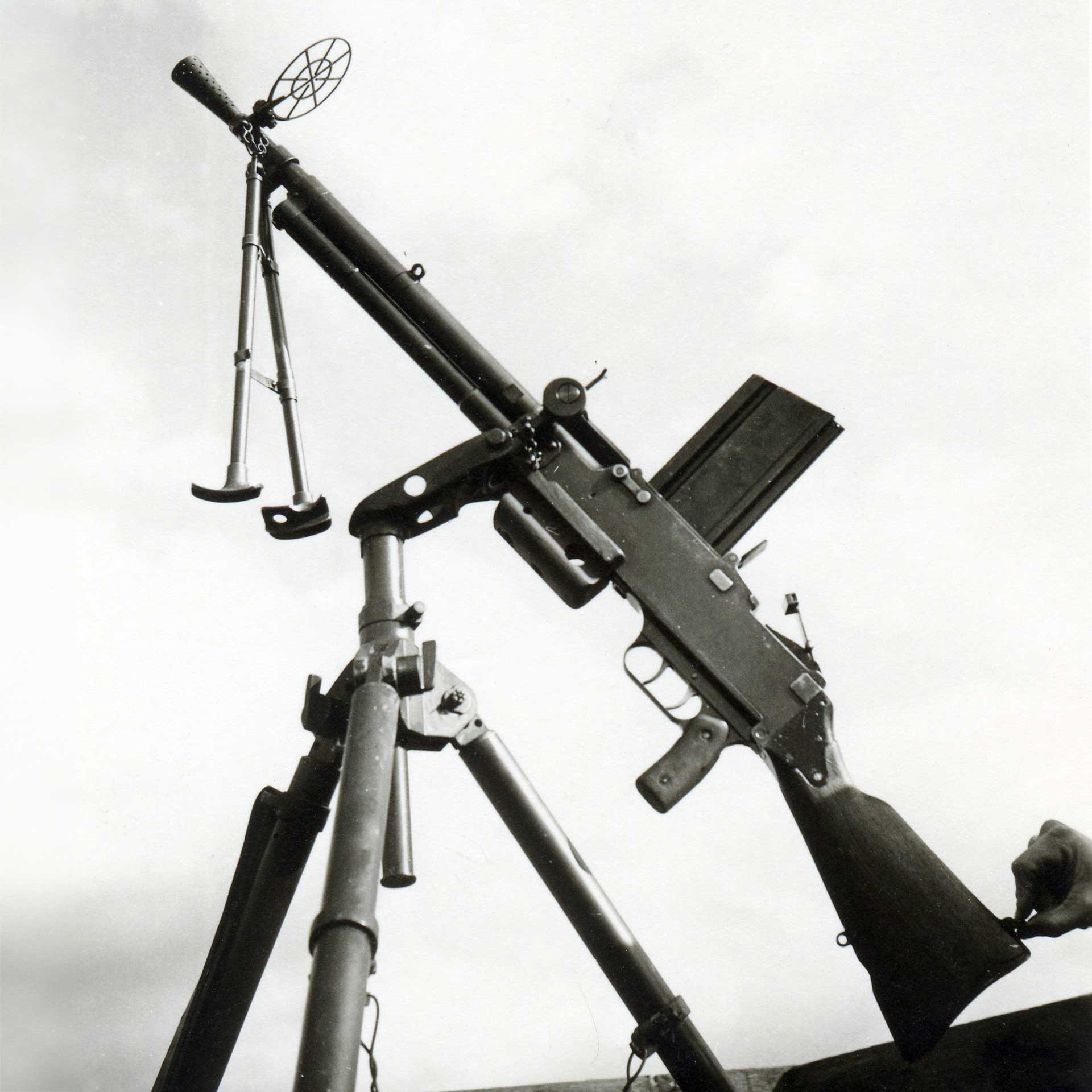
Happy with the development of their infantry light machine gun, the French made additional modifications to create the Model 31 (MAC Modèle 1931) —beefing up the mechanism and using a 150-round drum magazine mounted on the side of the receiver. This version, also called the JM Reibel, was used in French armored vehicles, as well as some Maginot Line casemate mountings. The MAC 1934 was a fast-firing (1,200 rpm), belt-fed variant for use in aircraft.
The FM 24/29 in World War II
The FM 24/29 was one of the notably successful French firearm designs in use during the German invasion in May 1940. This fact was not lost on the Wehrmacht, and the FM 24/29 was taken over in significant numbers and designated the “MG 116(f).” The Germans used many of these guns in a light anti-aircraft role, while others were provided to defense battalions on the Atlantic Wall, and still more to security/anti-partisan units serving across Europe.
Free French fighters used the FM 24/29 whenever possible, and by the late 1940s, it was once again the infantry squad automatic of the reconstituted French army.
Dénouement: Fighting for a Fading Empire
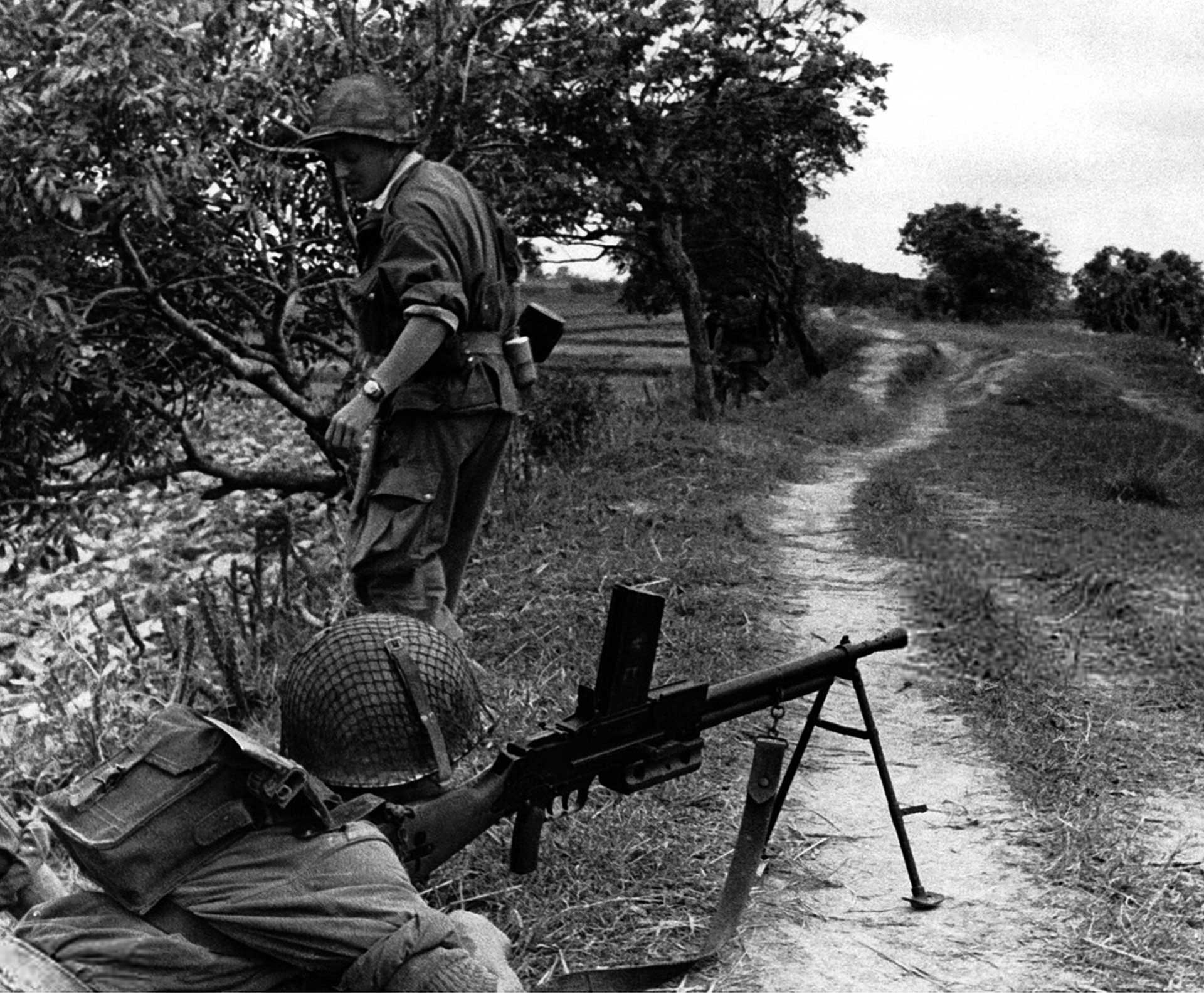
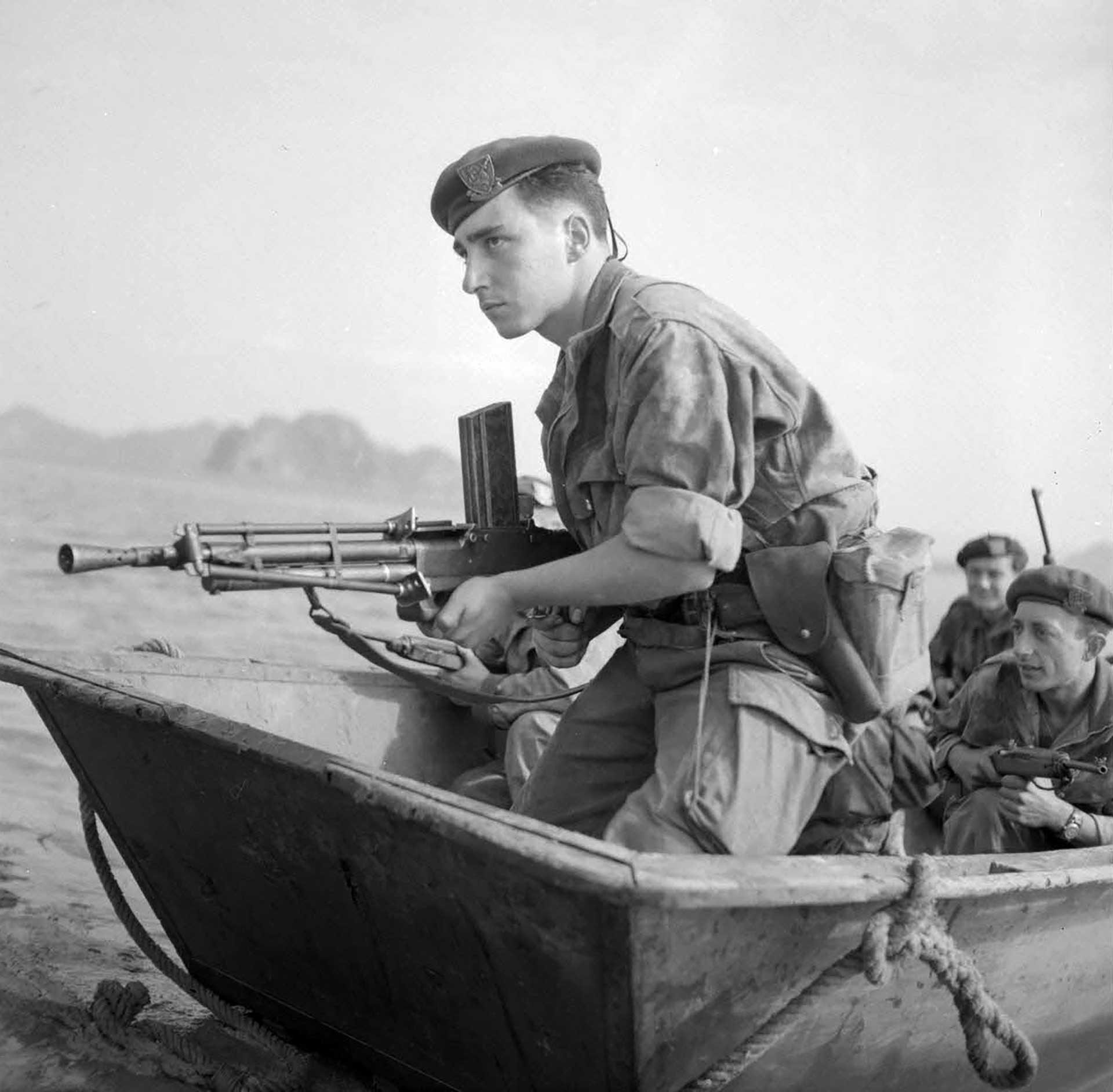
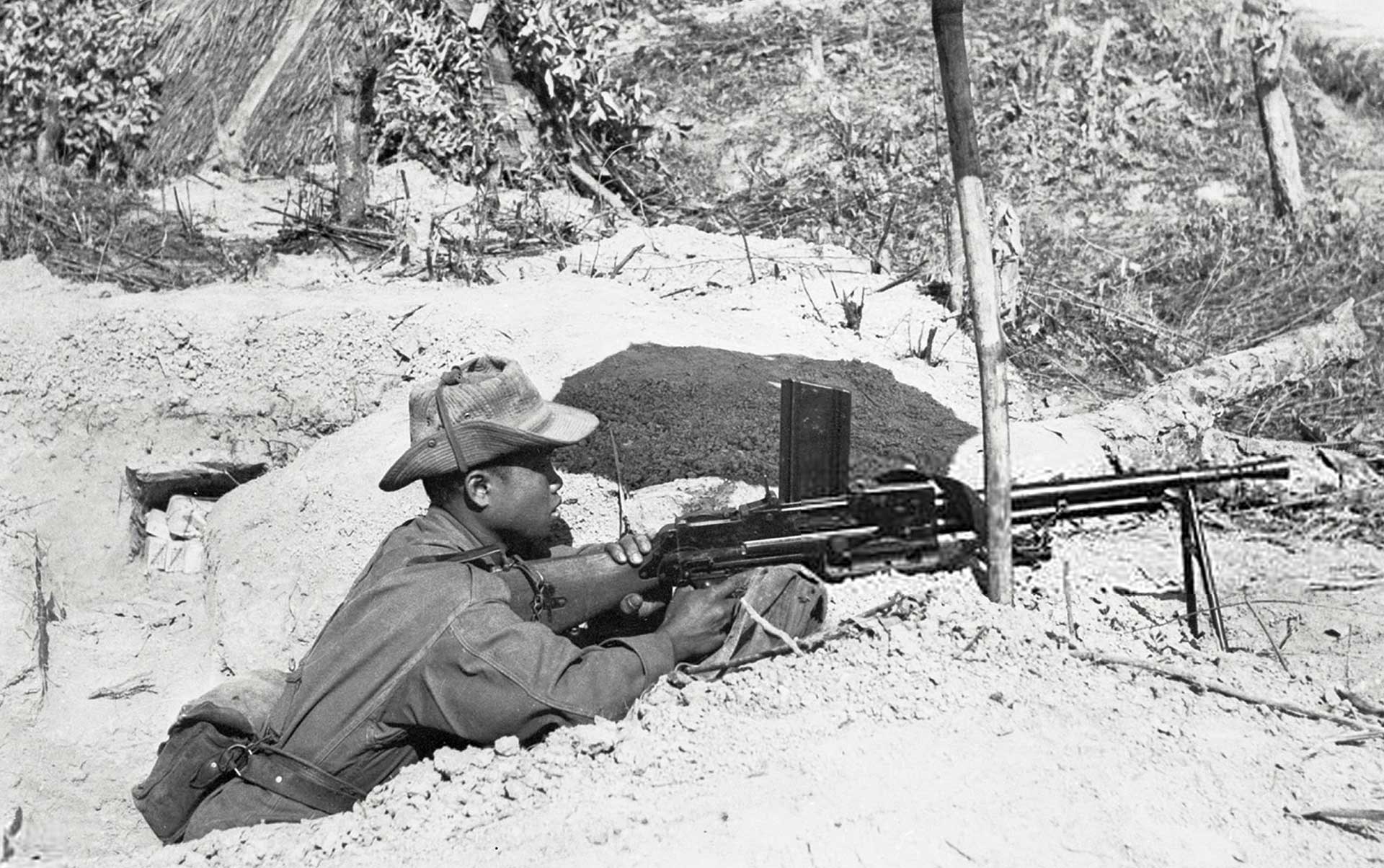
The onset of the First Indochina War (1946-1952) and then the Algerian Revolution (1954-1962) meant there was precious little peace for French military forces, and the FM 24/29 provided the backbone of French infantry firepower in both conflicts. As the French army left Vietnam, many FM 24/29s remained, and most of these ended up in the hands of the communist Vietcong.
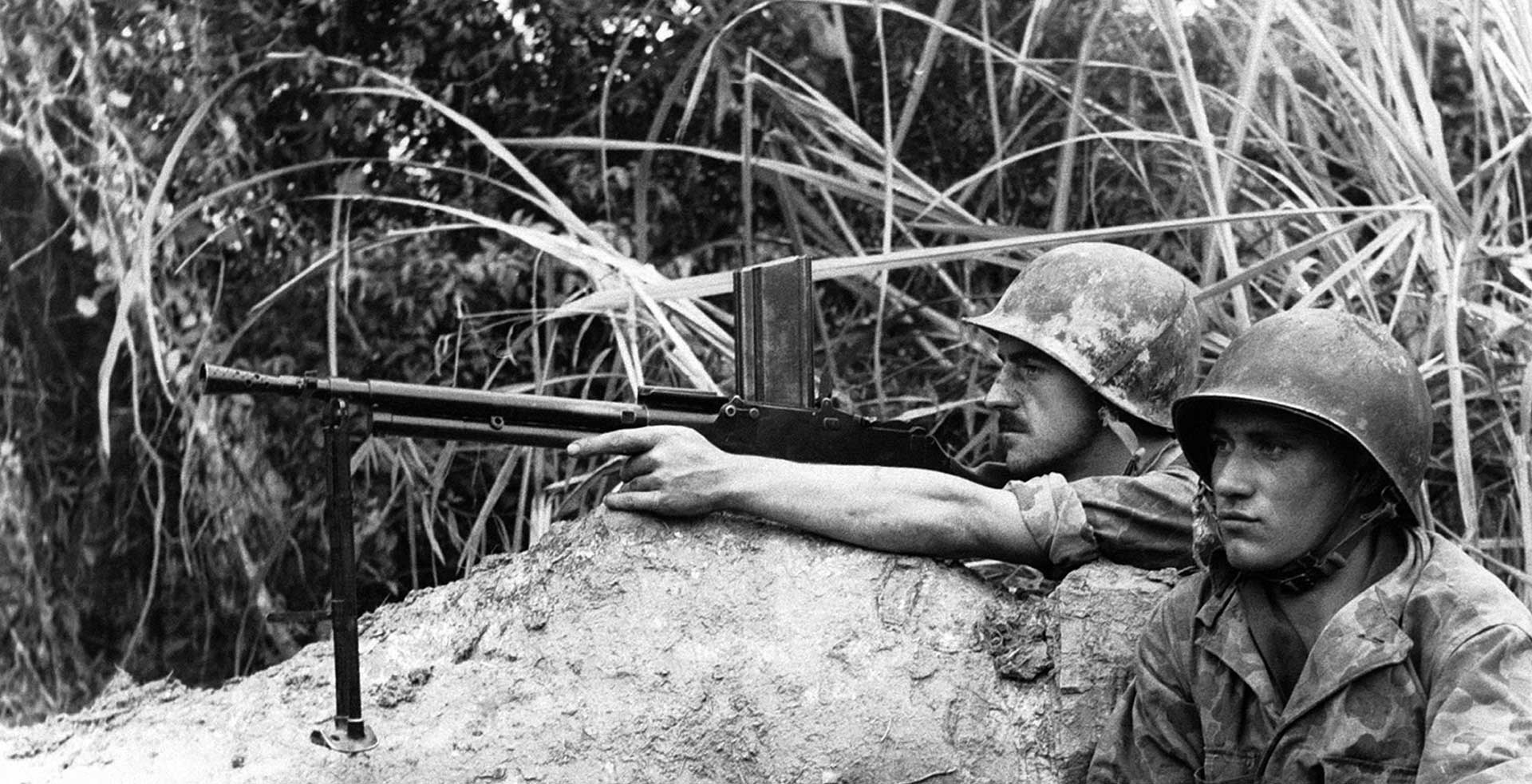
Early in America’s involvement in Vietnam, US troops had their first encounters with the French FM 24/49 machine gun. I asked USMC Captain Dale Dye about his experience with the weapon, and he commented:
“I’m familiar with the weapon but have never actually fired one. I saw them in the early 1960s used by some Vietcong guerilla units in South Vietnam. I also saw a few of them with guerilla forces in Lebanon in the early 1980s. It seemed to me wherever French colonial forces were stationed, you wound up seeing this weapon, usually in rebel armories. Apparently, it was fairly effective as a squad/platoon support weapon.”
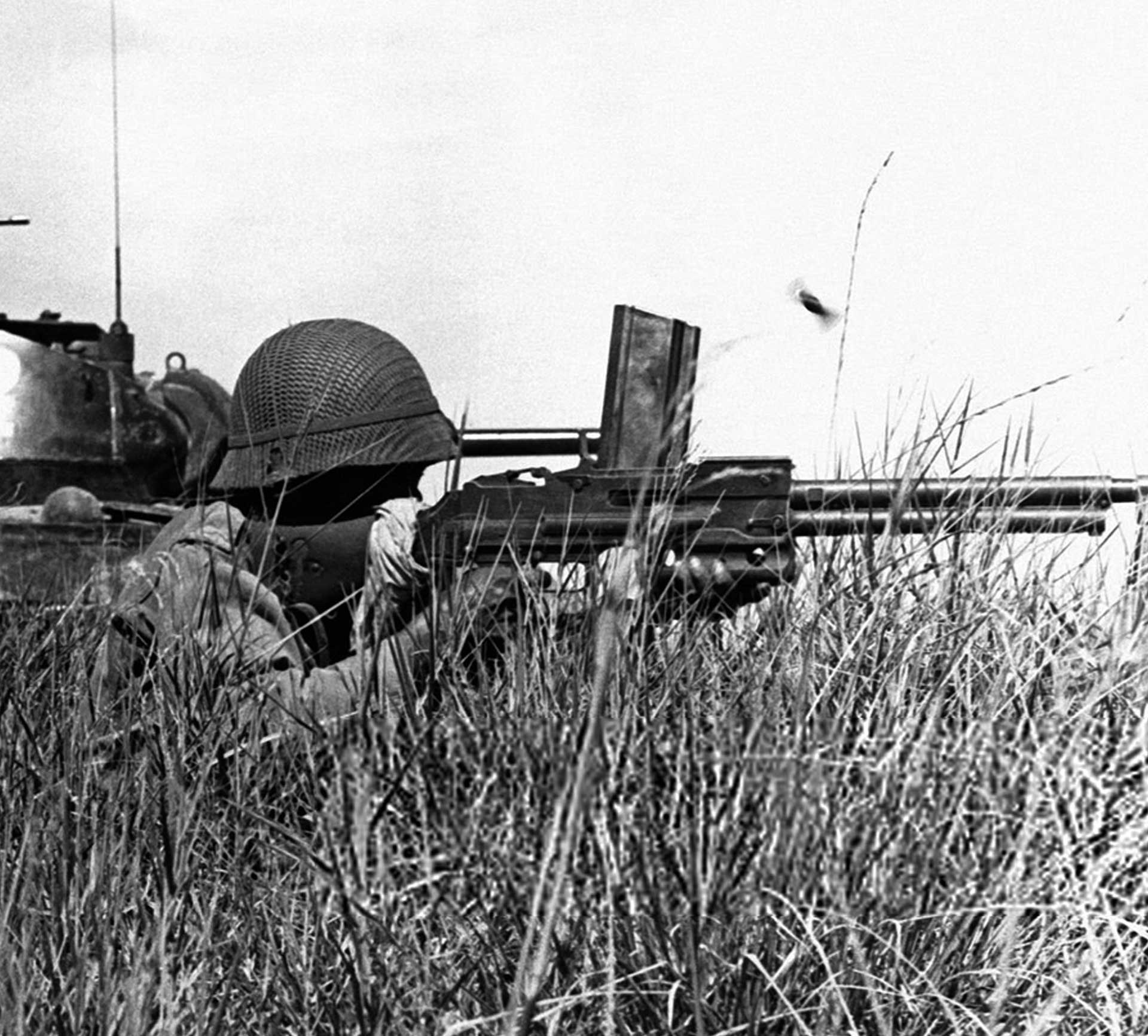
Although their supplies of 7.5 mm French ammunition dwindled, the FM 24/29 could still be found in use by some Vietnamese units until the 1980s.
In French service, the FM 24/29 remained in service until the mid-1960s, when it was replaced by the AA-52 GPMG (7.62 NATO). Through the 1970s and 1980s, the FM 24/29 continued as the squad automatic for the French Army’s General Reserve, and they were still in the inventory of the Nationale Gendarmerie as late as 2006.
Summing Up A Lesser-Known 1st Generation LMG
In 1918, the French were highly impressed with the Browning Automatic Rifle, and rightly so. While it is no surprise that their national pride drove them to create their own design, the FM 24/29 owed much to John Browning’s genius design. Even so, the Châtellerault LMG was impressive for its time—and it enjoyed a long and well-travelled combat career. From the days of the Rif War, through World War II, and deep into the Cold War, the FM 24/29 was a first generation LMG with long-standing warrior tradition.
Read the full article here