

One of the iconic revolvers of the early 20th century is Colt’s compact Detective Special, which was not only seen in law-enforcement use but became popular on the commercial market and was featured widely in film noir from the 1930s until the 1950s. But the road to the Detective Special wasn’t the typical route for a new firearm. Watch our “American Rifleman Television: I Have This Old Gun” segment above to hear the history of Colt’s snub-nose .38 revolver.
“So right around the turn of the 20th century, Colt and Smith & Wesson are in a real arms race. Literally,” American Rifleman Executive Editor Evan Brune said. “They’re trying to outdo each other by creating the best police law enforcement revolver. Smith & Wesson developed the iconic .38 Special cartridge. It was the .38 Smith & Wesson Special. And Colt, you know, they looked at this cartridge and they were like, ‘Man, that’s a really solid cartridge design. You know, law enforcement agencies are loving this. We need to come up with a gun chambered for this round.'”
To accomplish this, Colt took its pre-existing Police Positive design, which had initially been chambered for weaker cartridges like the company’s .32 and .38 New Police cartridges and lengthened the cylinder to accommodate the new .38 Smith & Wesson special cartridge. But the lines and overall construction of the gun remained similar to the pre-existing, law-enforcement-oriented designs, notably having a longer, 6-inch barrel, external spur hammer and full-size grips.
“In the late 1920s, John Henry Fitzgerald, who’d been one of the top designers at Colt, came up with a snub-nosed revolver that he called the ‘Fitz Special,'” American Rifleman contributor Kenneth L. Smith-Christmas said. “And it was very radical. And it’s a tiny little 2-inch barrel, and it cut away the fore part of the trigger [guard]. But Colt looked at it and said, ‘You know, this is a good idea, and we can market this for plainclothes detectives.’ So in 1927, they come out with the Colt Detective Special.”
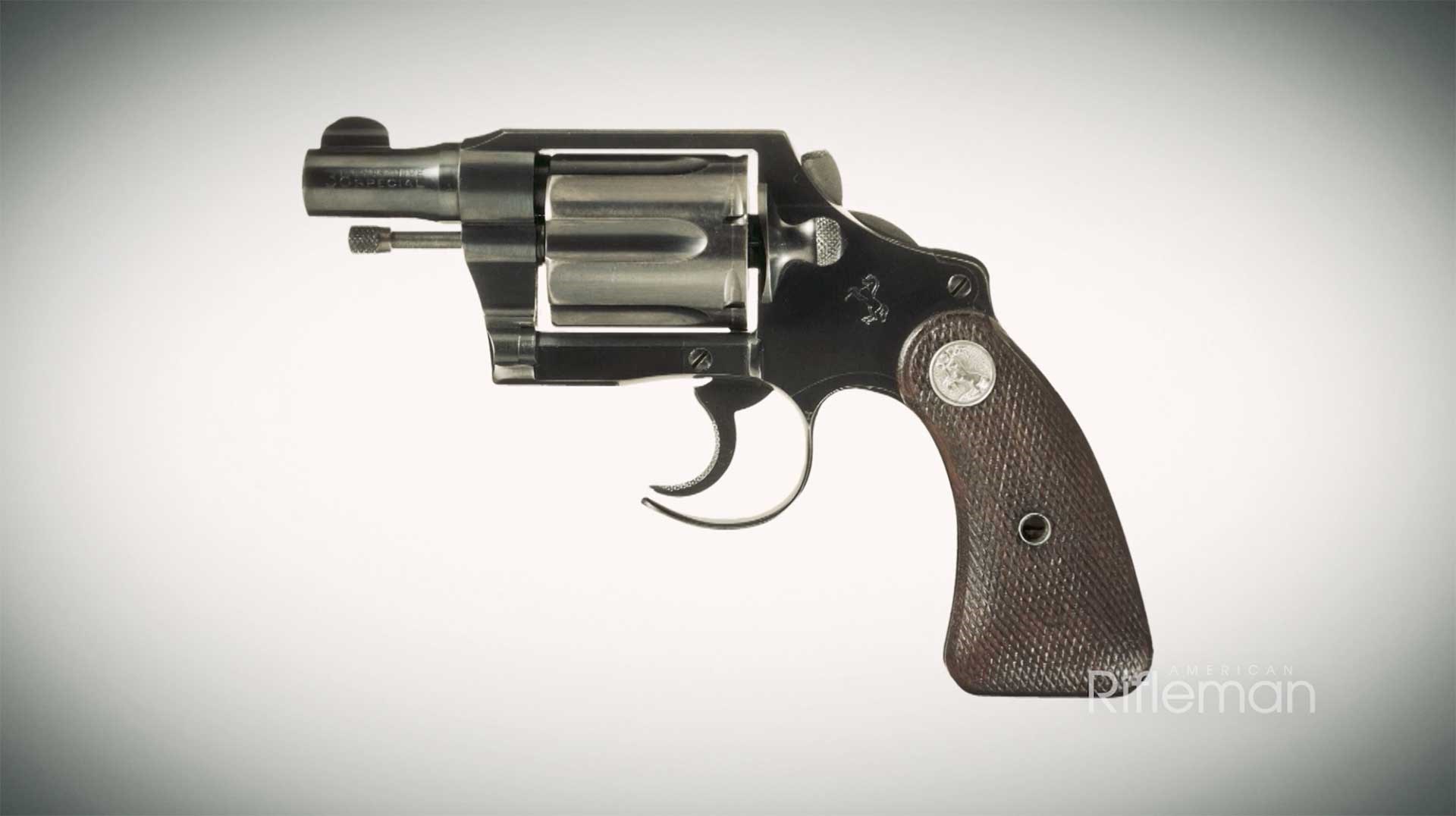
While Fitzgerald’s custom designs offered a compact form factor, Colt elected to preserve some elements of its pre-existing designs and retained the full trigger guard while also keeping the external hammer for single-action operation.
“You know, they didn’t need a 6-inch barrel. What they needed was a 2-inch barrel, and you would have fixed sights, front and back,” NRA Media Editorial Director Mark Keefe said. “True double-action revolver, meaning you can either cock the hammer to fire it single-action, or just sweep through all the way for double-action. This is one of the heydays of manufacturing, so the finish is top-notch, and the polish underneath it is even better.”
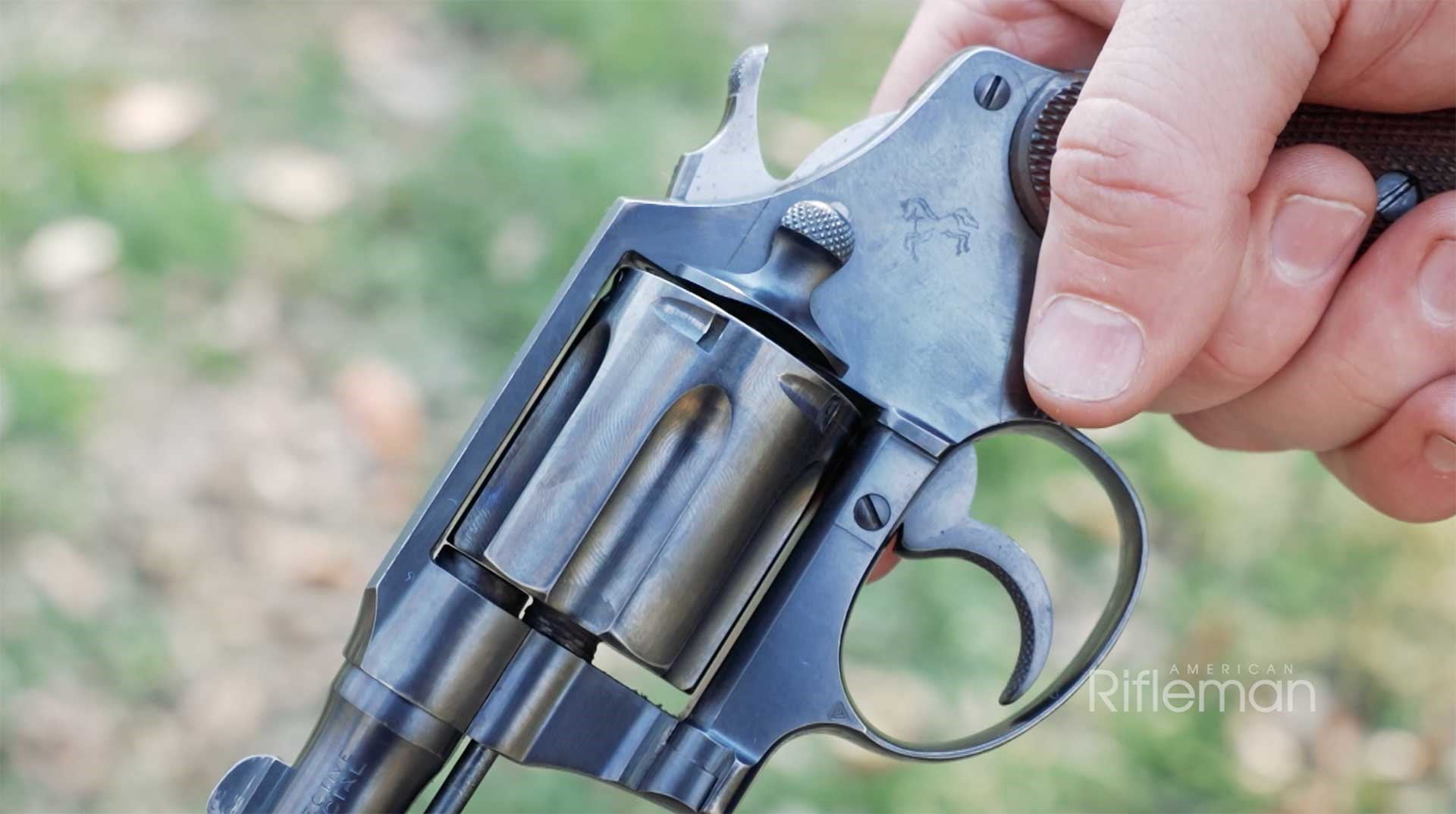
Colt’s Detective Special revolvers would remain in the company’s line for decades, with several different variants emerging through the production run, as well as unique versions, like the Banker’s Special or the Commando Special, filling out the product line. Today’s collectors separate Colt’s Detective Special into four different “series,” each with its own unique feature set and characteristics.
“Colt would later kind of update some features on these guns that were contemporary upgrades that some consumers were looking for at the time,” Brune said. “Like, for example, in the third series, one thing they did is they shrouded the ejector rod. You know, they added rubber wraparound grips to them. They offered them in different finishes. And really, the death knell for the Colt Detective Special was Colt’s bankruptcy in 1992. After that, you know, they made a few guns, but really it was just assembling what they had already produced in terms of parts.”
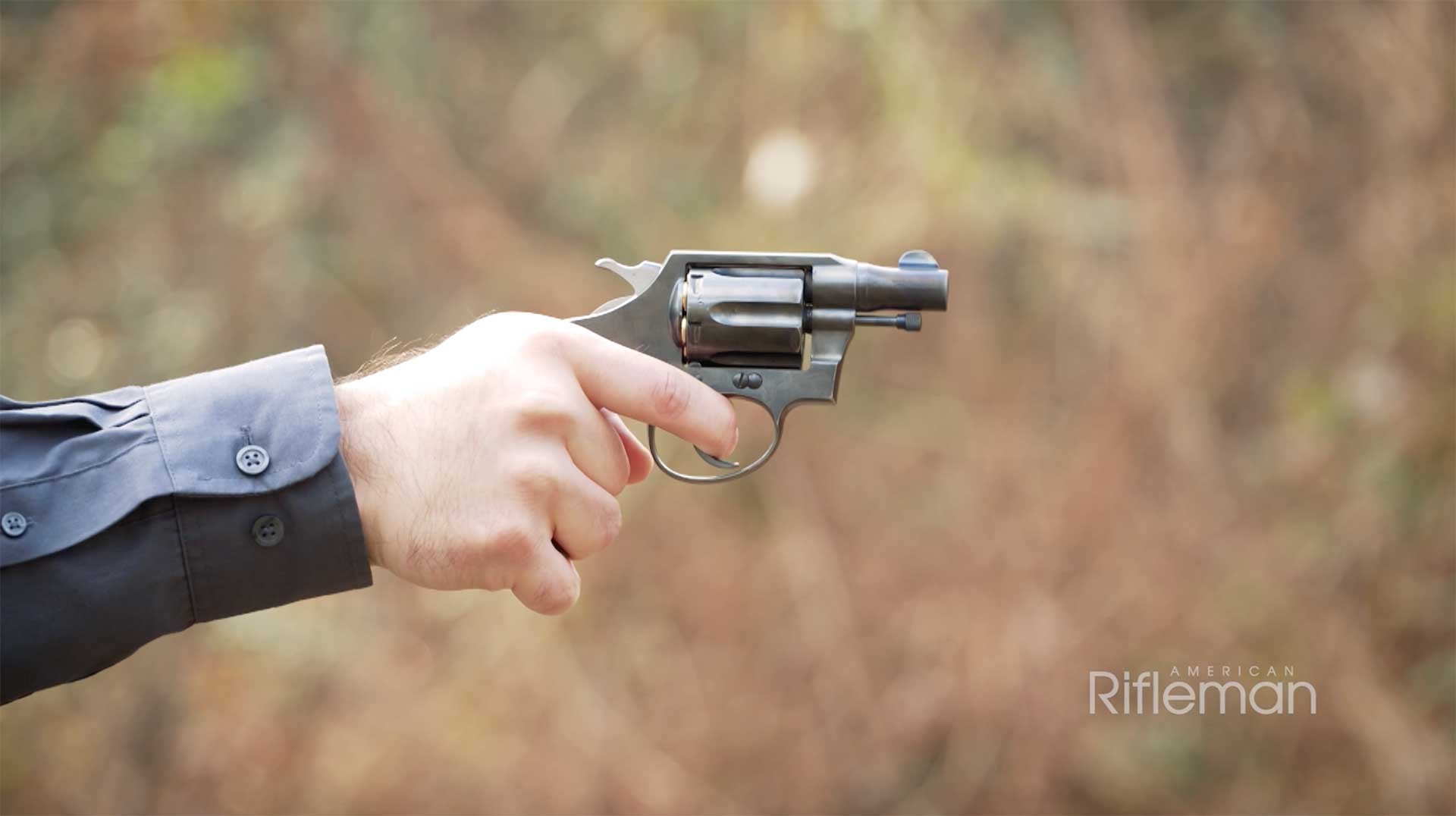
To watch complete segments of past episodes of American Rifleman TV, go to americanrifleman.org/videos/artv. For all-new episodes of ARTV, tune in Wednesday nights to Outdoor Channel 8:30 p.m. and 11:30 p.m. EST.
Read the full article here