

Smith & Wesson made an exciting announcement for revolver collectors earlier this year. Working in conjunction with Lipsey’s, the company updated and released two L-Frame models from the lightweight Night Guard series which was discontinued back in 2012. One was the highly anticipated Model 386, a 7-shot .357 Mag. sporting a 3-inch barrel.
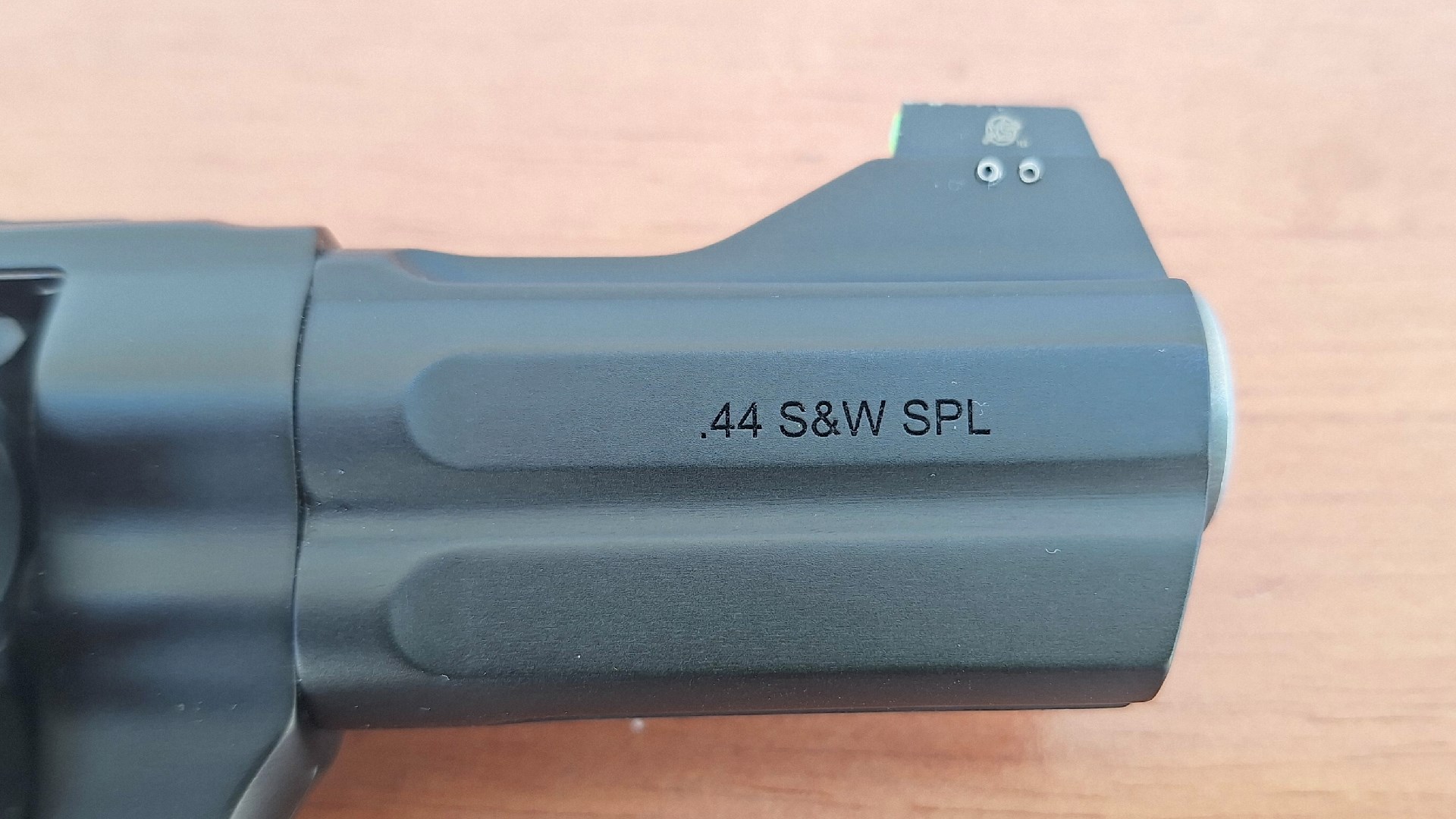
The other was a bit of a letdown for some shooting sports enthusiasts. Of all the other possible Night Guard configurations to choose from, the company went with the Model 396, which is a five-shot chambered in .44 Special. Folks who are less familiar with this particular revolver cartridge, which is a good number these days, are wondering why it would get this kind of attention for a special-release revolver lineup.
Back in the mid-1990s, when I was finding my way from rifle- and shotgun-related sports into the handgun marketplace, I thought the .44 Special was out-of-date. I remember picking up a relatively expensive, glossy gun magazine to read on a long flight to find that one of the feature pieces revolved (pun intended) around the merits of the .44 Special. At the time, I was disappointed that they had given feature page space to this seemingly obsolete 20th century revolver round.
And yet, here I am, nearly three decades later, writing to extol the virtues of the .44 Special. Today, it is among my favorite big-bore revolver rounds to shoot. In fact, I vigorously chased down a Model 396 Night Guard for an evaluation just because it is chambered for this ammunition. So what is it about this particular cartridge that makes it, well, special?
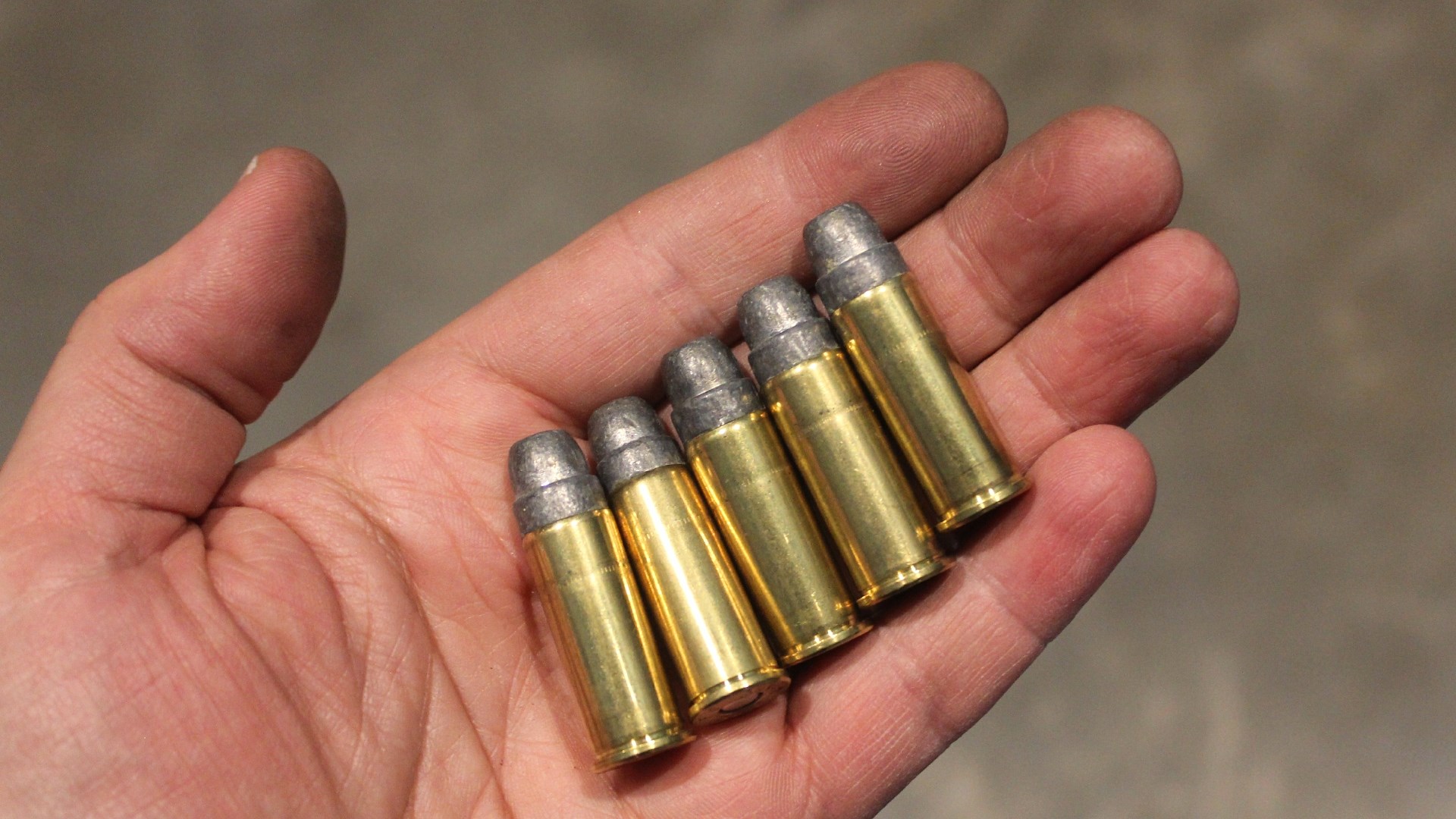
Among the top reasons why it has remained in production is that it served as the parent cartridge for the famous .44 Mag. Based on the even-older .44 Russian, Smith & Wesson introduced the longer .44 Special cartridge case in 1907 to accommodate the more bulky smokeless powders of the day. It would go on to earn a reputation for being an accurate and shootable round.
This would inspire legendary outdoorsman Elmer Keith to experiment with boosting the power of the .44 Special for ethically harvesting big game in the early 1950s. Eventually, Remington would lengthen the cartridge case once more to form the .44 Magnum cartridge which Smith & Wesson then adopted for its iconic Model 29 revolver in 1956.
Just as .38 Special ammunition can be safely chambered in .357 Mag. revolvers, so, too, does the .44 Special fits neatly into .44 Magnum-chambered wheel guns. This allows for a broader range of performance levels and applications than .44 Mag. alone. But simply saying that the .44 Special is softer-shooting is not a complete picture of what this nearly 120-year-old round brings to the table.
Like the .45 Colt, the .44 Special launches large-caliber bullets at moderate velocities. This provides suitable levels of bullet energy at typical handgun distances. This round has been used successfully to harvest medium-sized game, including whitetail deer and hogs, along with smaller game at closer ranges of around 75 yards or less. Although it would not be correct to call the .44 Special a “soft-shooting” round, it can yield desirable results without the muzzle flash, noise and wrist-snapping levels of recoil associated with magnum cartridges.
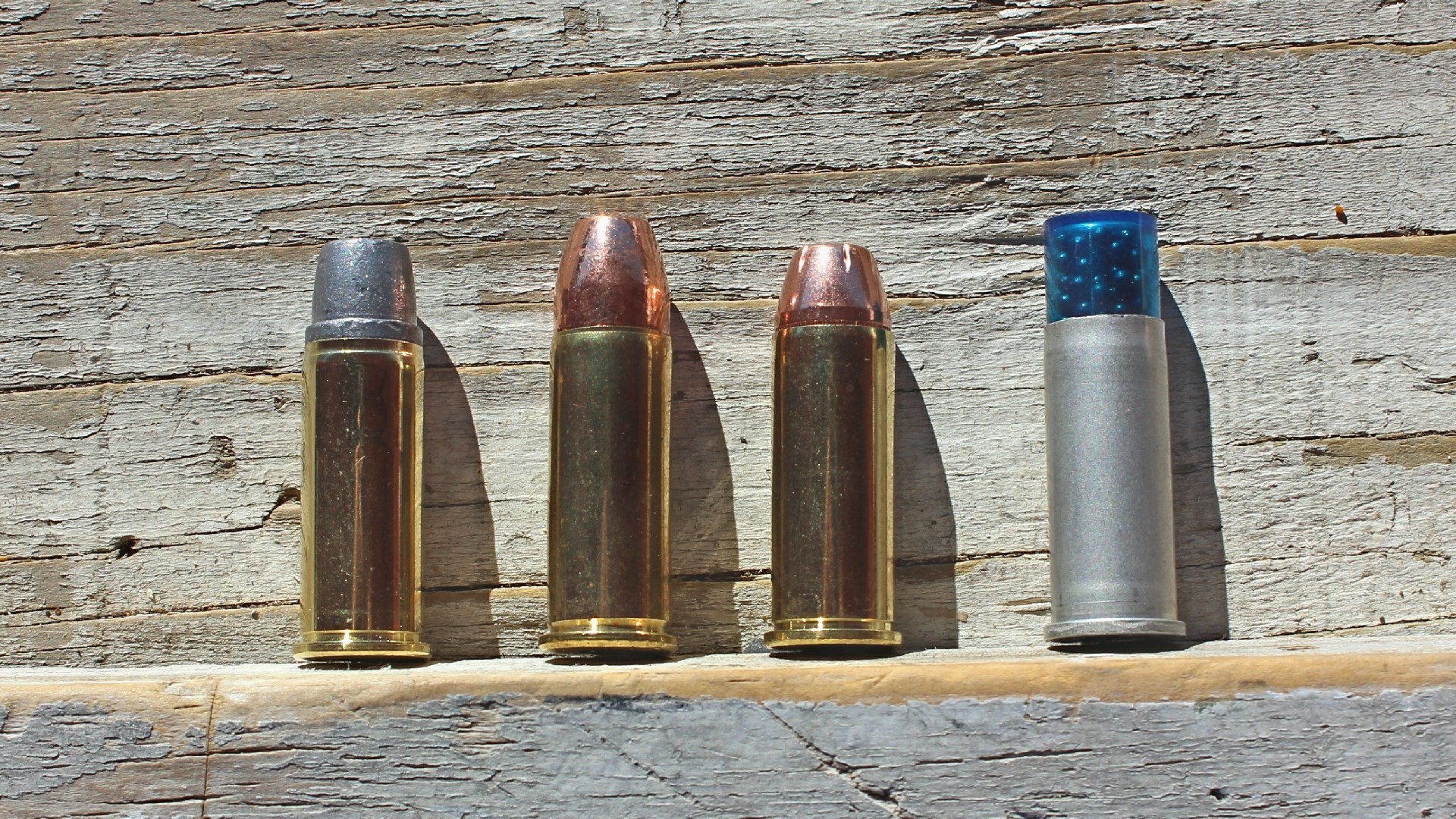
These shooting characteristics have also led to the .44 Special finding its way into various snub-nosed carry guns. Over the years, the .44 Special has proven to be an effective defensive option. And because this round operates at slightly lower pressures (15,500 psi) than the .38 Special (17,000 psi), it has been paired with smaller, lighter models, like the Charter Arms Bulldog, along with medium-frame configurations including the Ruger GP100 and, of course, the Smith & Wesson Model 396.
Although the ammunition selection for the .44 Special is not as diverse as some handgun caliber options, there are more loads to choose from than some folks might expect. Checking just one of the popular ammunition websites revealed more than 30 different loads including pest control, soft points, hollow points, soft lead cowboy loads and hardcast deep-penetrator rounds. And for those who chose to handload ammunition, cartridge components and load data are readily available.
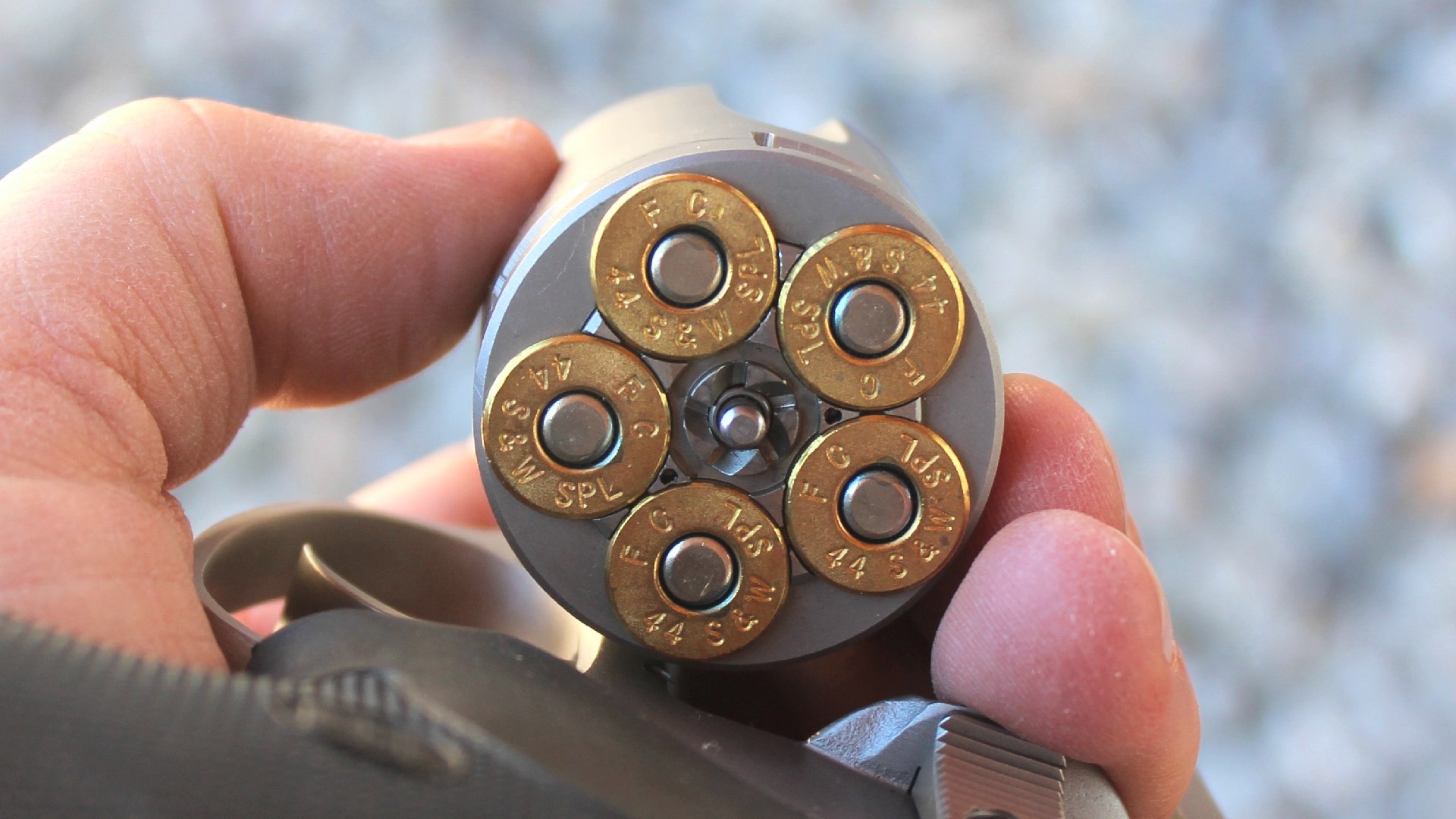
There is an elusive fun factor, one that can’t be pinned down precisely, that keeps me and other fans of the .44 Special coming back for more. The firm but workable levels of felt recoil, accuracy, flexibility and a dash of nostalgia provide for a shooting experience that is satisfying without the sometimes excessive noise and kick that accompany magnum cartridges. This .44 has been in production for more than 100 years, and thankfully, it looks like it’s going to stick around for a few more. For those who are curious about how the Model 396 Night Guard evaluation went, you can read the full revolver review here.
Read the full article here