


Unreliable rifles are the worst. Whether it’s a bolt-action or semi-auto, a rifle that doesn’t load cartridges smoothly and quickly can put a real damper on a trip to the range or the field. Most hunters point the finger at some component of the firearm itself, but the real culprit is probably something much simpler and easier to fix: the magazine.
Whenever someone tells me about an unreliable rifle, the magazine is always the first thing I recommend changing. Eight times out of 10, that’s the real problem: the feed lips have cracked, the spring has worn out, or the follower is poorly designed.
It’s best to select a high-quality magazine from the outset so you never have to deal with reliability issues in the first place. The problem is, they all look pretty much the same from the outside. How can you sort the wheat from the chaff without finding out the hard way? That’s the question I aim to answer below.
The Parts of a Magazine
Rifle magazines incorporate a ton of geometrical engineering, but they don’t have many parts.
Body
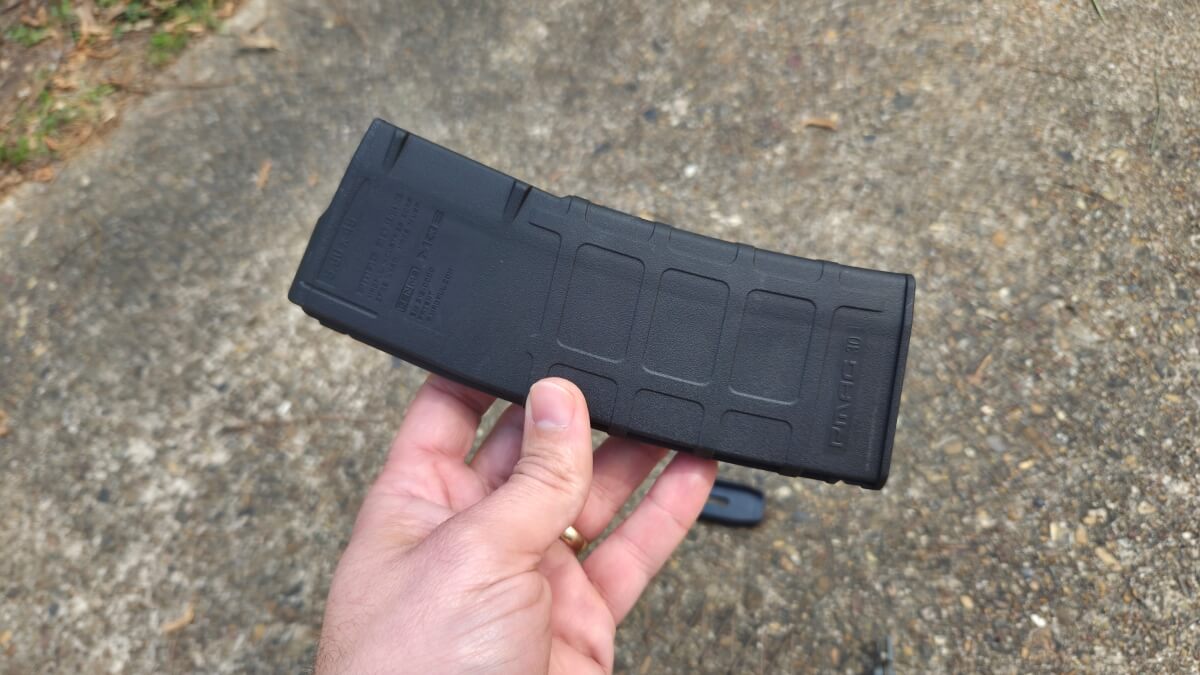
The body of the magazine houses all the components and determines durability and geometry. It’s usually constructed from steel, aluminum, or polymer.
Feed Lips
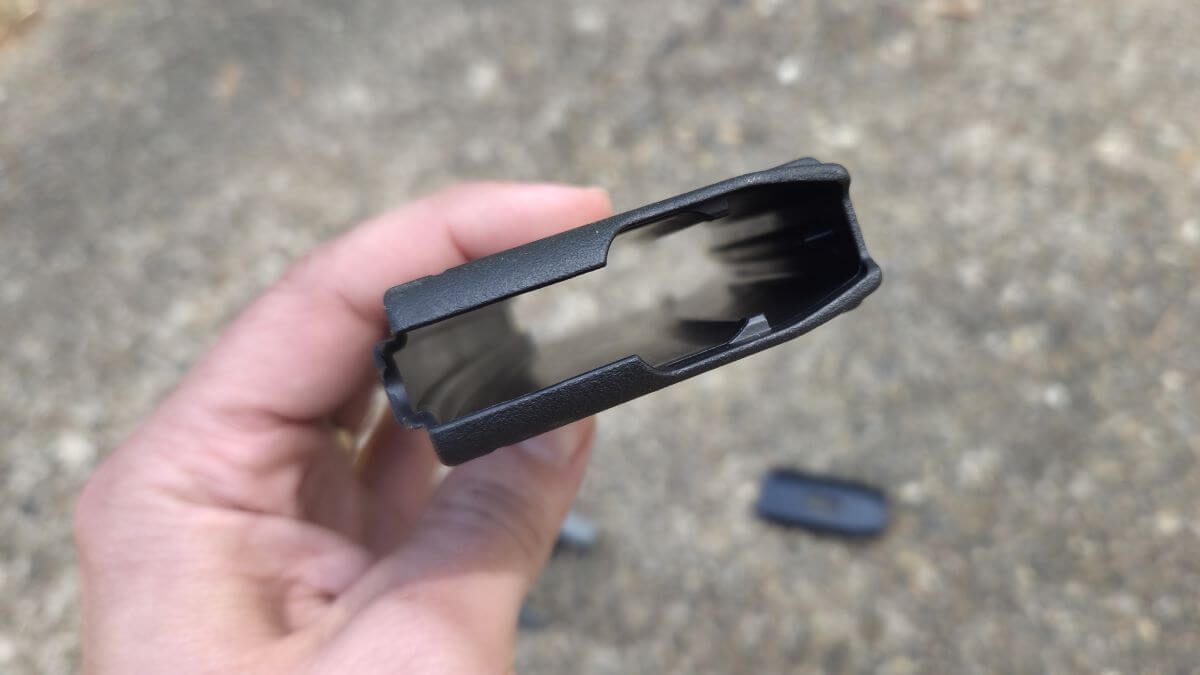
The feed lips are incorporated into the body, and they’re one of the most critical features. They keep cartridges from being pushed out the top of the mag and hold them in place to be stripped by the bolt.
Spring
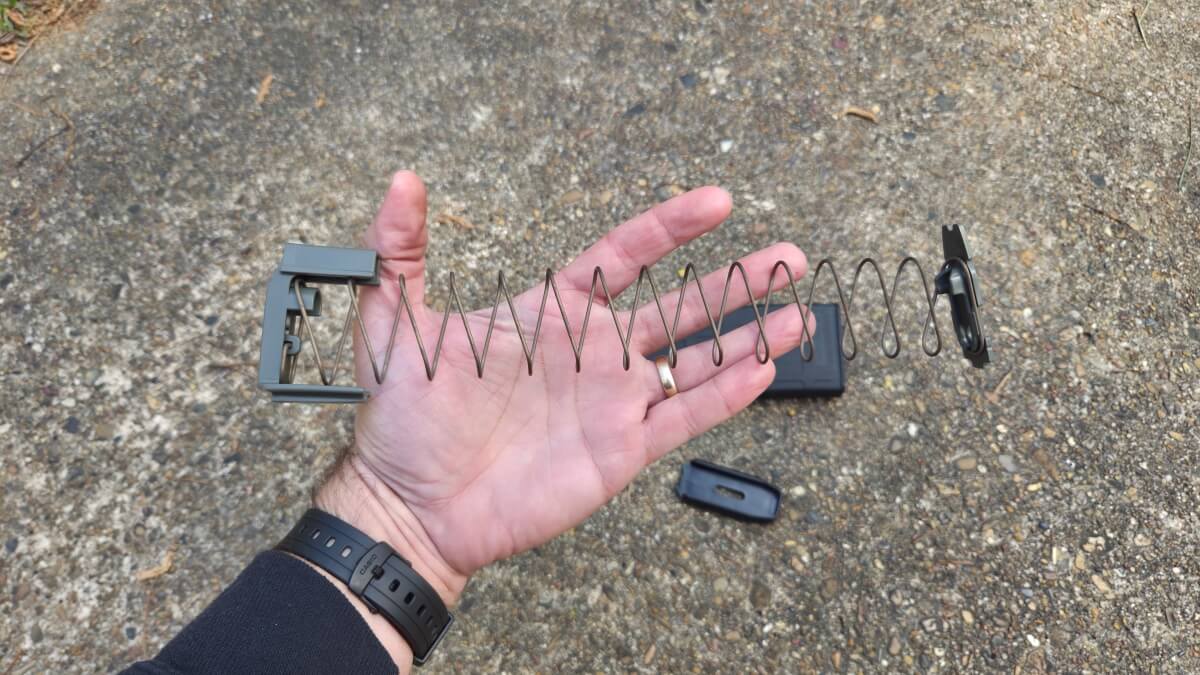
The spring provides the upward pressure pushing the next cartridge into position after the top one is stripped and loaded.
Follower
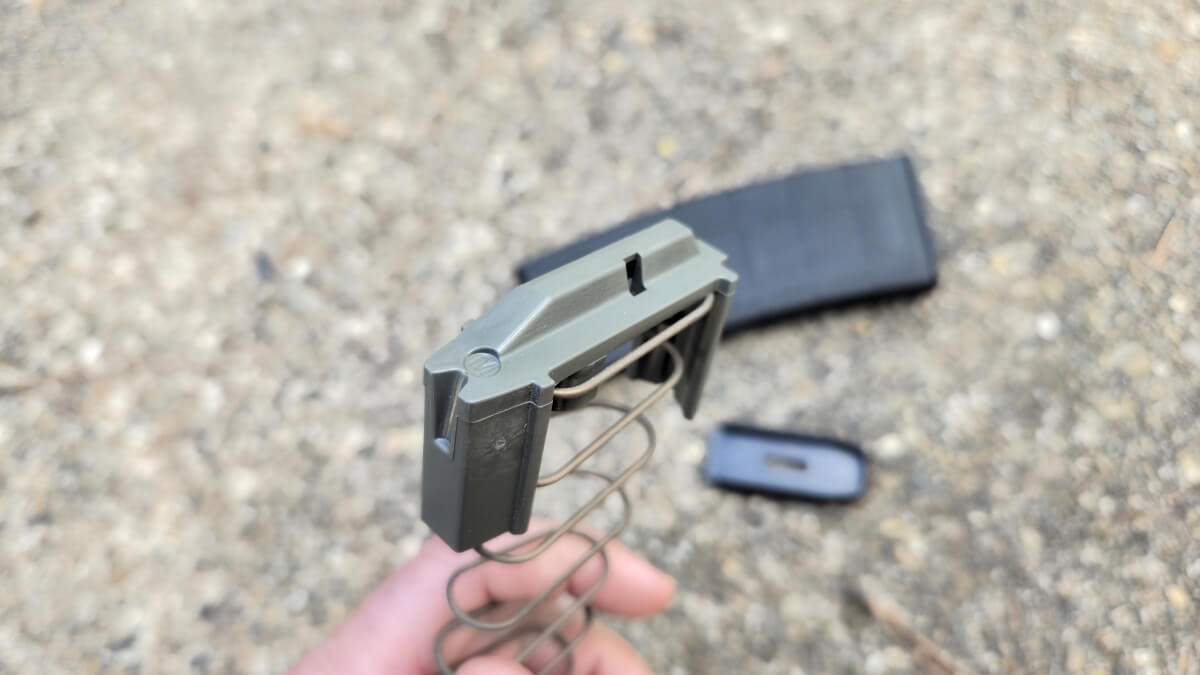
The follower is the flat(ish) piece attached to the spring on which the cartridges rest.
Bottom Metal
This is the piece on the bottom of the magazine that holds the spring in place (it doesn’t have to be made of metal).
Why Do Magazines Fail?
Mag failures are a greater concern in semi-automatic rifle platforms than bolt- or lever-action, but it’s always a headache to clear a jam. And if you think all magazines are created equal, consider this: the U.S. Army deployed an improved M-16/M-4 magazine in 2009 that reduced the risk of magazine-related stoppages by more than 50%. With that kind of reliability improvement on the table, it’s worth figuring out why magazines fail.
Here are four of the most common reasons.
1. Cracked, Worn-Out Feed Lips
Faulty feed lips can’t contain the spring’s tension and allow cartridges to pop out the top of the magazine. Rounds can jump out if a loaded mag is jostled in a bag or case, or even while the rifle is cycling. The latter scenario can result in jams and double feeds.
Feed lips can wear out or crack with heavy use, or they can slowly spread out if you store magazines fully loaded for an extended period of time.
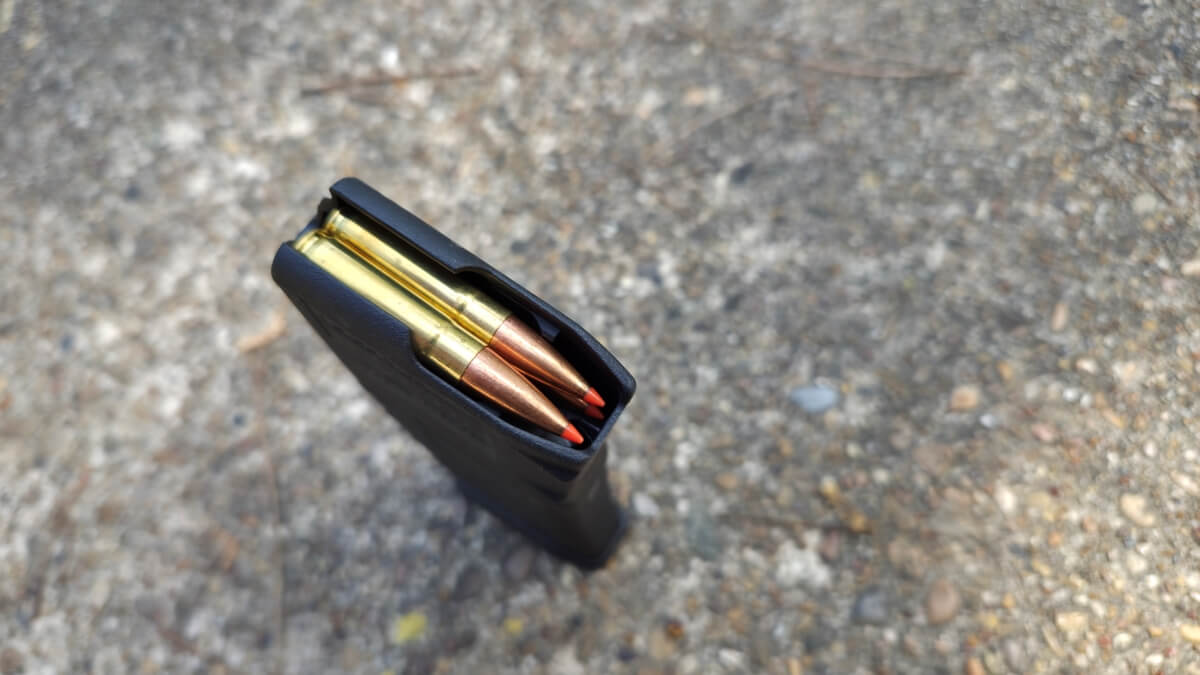
This is one way you can identify a high-quality magazine. The feed lips on Magpul’s Gen 2 PMAGs would crack if stored fully loaded, but the Gen 3 version fixed this problem, and I’ve never had any problems.
To test if the feed lips on a magazine are still functioning properly, load a mag to the top and tap the bottom on the ground with some force. If a round pops out, it might be time to throw that mag in the bin and replace it.
2. Poorly Designed Follower
The follower is where the magic happens from an engineering perspective. The primary purpose of a follower is to keep the cartridges at the correct angle as they move up the magazine. If a cartridge arrives at the top at the wrong angle, it will almost certainly jam as the bolt attempts to strip it off. The bullet might get stuck going up the feed ramp or nosedive into the front of the magazine.
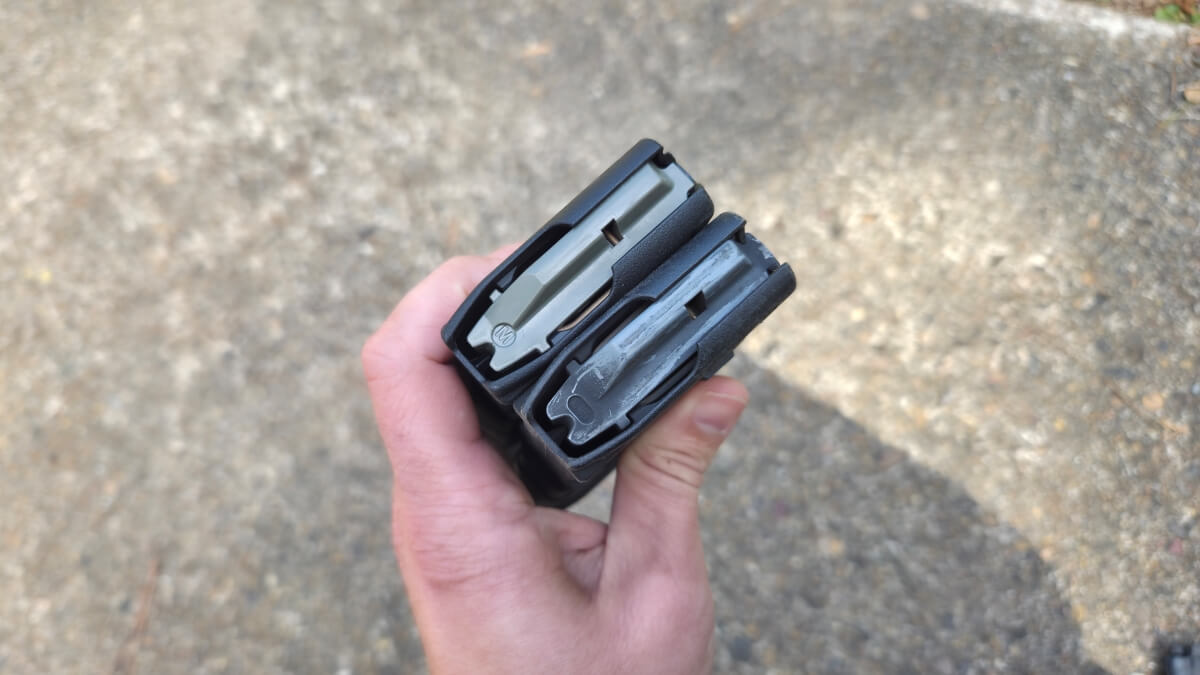
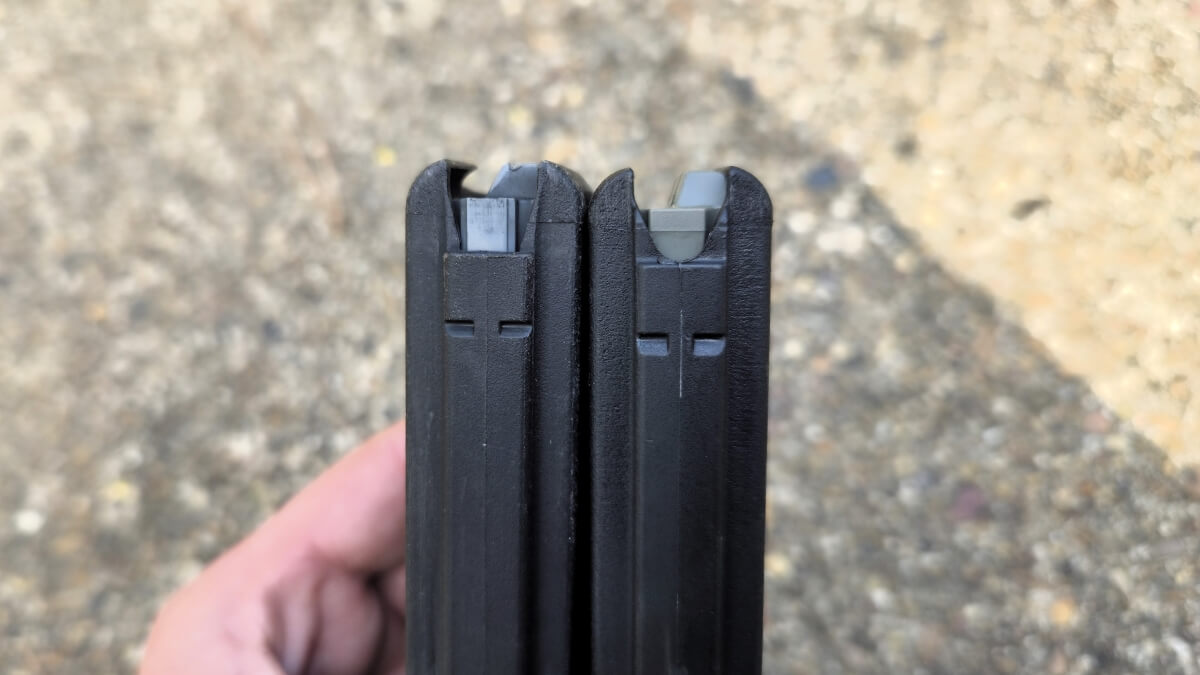
It’s tough to tell whether a follower is well-designed without using it, but there are a few features you want to look for. The most important is “anti-tilt.” When you press the front or back of the follower, it shouldn’t move very much. It should stay flat, which will ensure that the cartridges do the same. Modern designs use extended front and rear legs to keep the follower level throughout its travel.
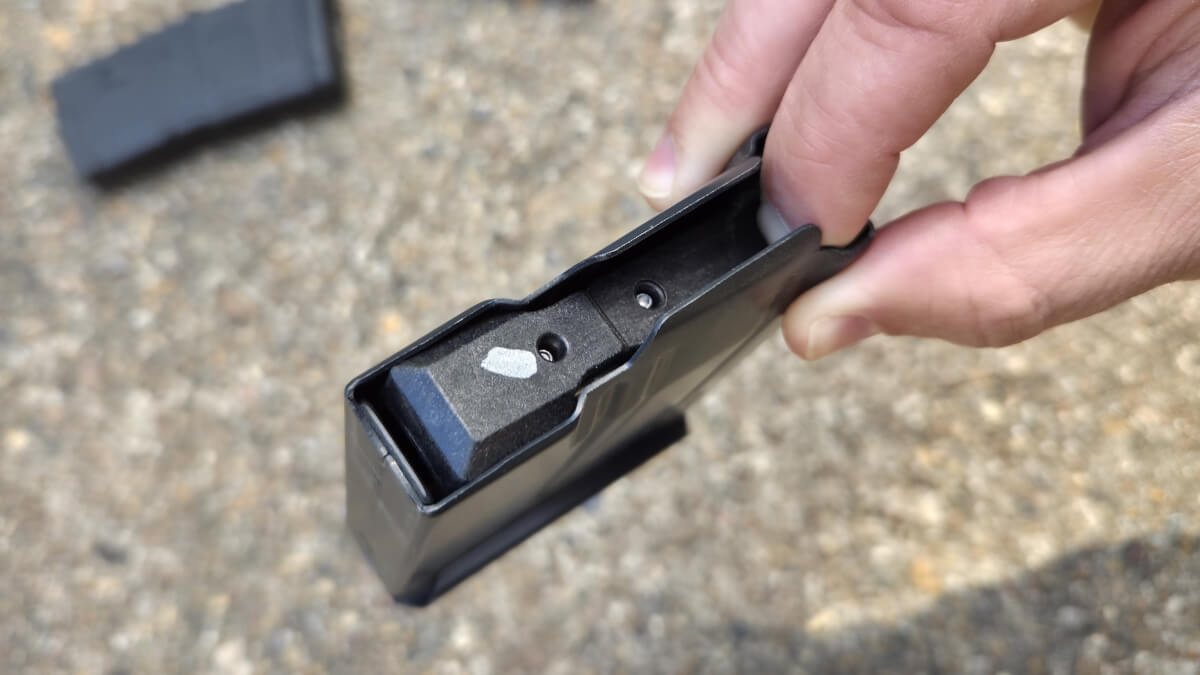
The follower should also slide smoothly inside the body without getting hung up on anything. This is easy enough to test, but the real challenge comes when it gets dirty. Grit inside the magazine can cause the follower to seize up and stop working properly. Well-designed magazines have enough clearance between the follower and the body to allow for smooth operation even with some grit and grime.
I’d encourage you to put a magazine follower through its paces before taking it into the field. You might throw a mag into the dirt as if you dropped it by accident, load it up, and see if it functions. You might also make sure the rifle cycles smoothly with a fully loaded magazine and on the last round. These are the points at which a bad follower will rear its ugly head because the cartridge variance makes it difficult to maintain the correct upward pressure. I was recently testing a handgun and found that with hollow-point ammunition, the last cartridge always got stuck moving up the feed ramp. This kind of failure is usually resolved with a different magazine—either a different brand or just a simple swap.
Contrary to what you might think, springs don’t wear out as the result of storing a magazine fully loaded. Springs primarily wear out through use—by being compressed and decompressed again and again. Over time, they can no longer impart the force necessary to push the next cartridge into position at the correct time, which results in failures to load. This is a problem for semi-automatic rifles more than bolt-action rifles because unless you’re some kind of wizard, you can’t cycle the action faster than the mag spring can operate.
A mag spring can also wear out thanks to rust, which is why good-quality magazines use stainless steel as the spring material.
If the mag body gets dented, cracked, or otherwise deformed, the follower won’t travel smoothly, and the mag will fail to function properly.
Metal magazines are durable, especially steel varieties (as opposed to aluminum). They’ve been proven over decades in the field, and the feed lips don’t crack or wear out. However, once they get dented, the follower will bind, and they’re pretty much useless.
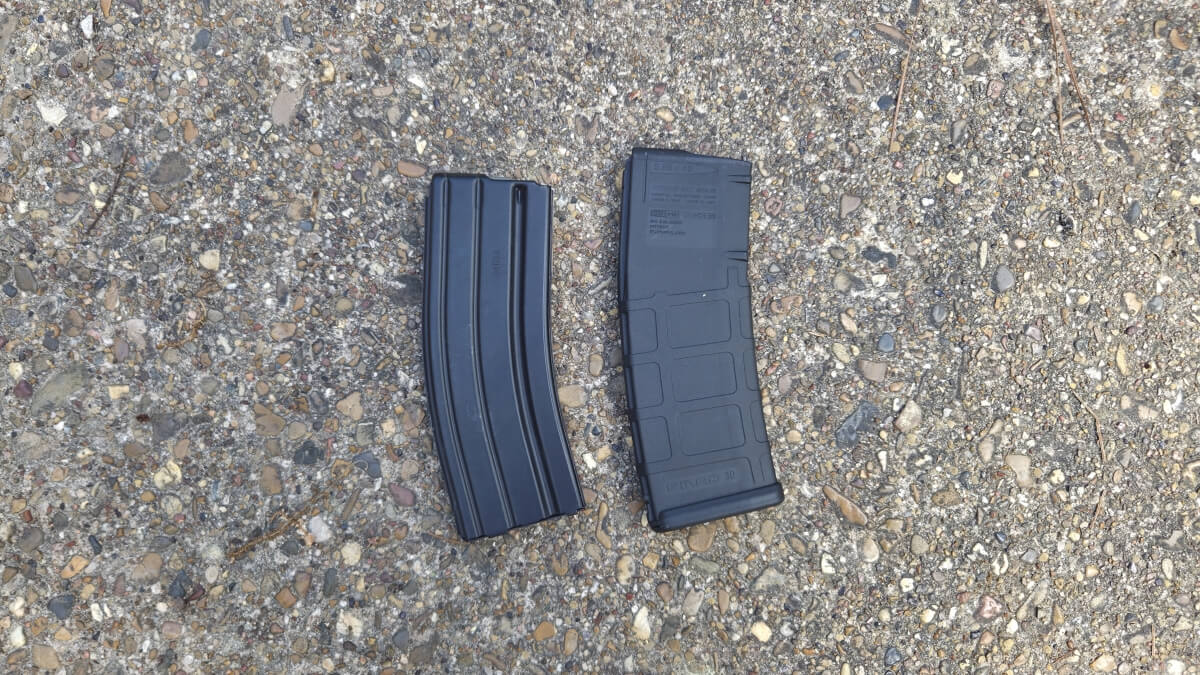
Polymer magazines can have issues with the feed lips (depending on the construction quality), but the plastic offers better flexibility and impact resistance. The material “bounces back,” so to speak, which allows the mag to keep functioning even after receiving a blow. That doesn’t mean they’re invincible—they can still crack and break. But the feed lips are more likely to fail than the body of the magazine itself.
Last Shot
Magazines can fail for other reasons, too. I once purchased a 30-round magazine for a 10/22 that almost always caused feeding issues because it didn’t fit securely in the receiver. It canted forward, which caused the rifle to jam every other round.
But I think what I described above are four of the most common reasons. If that’s the case, it follows that a high-quality rifle magazine does three things well:
- Maintains consistent feed angle using a stable, anti-tilt follower
- Resists deformation (feed lips + body)
- Provides consistent spring pressure
There are plenty of high-quality magazines on the market that do exactly these things. But don’t assume they’ll be around forever. Magpul will probably be making PMAGs until the Second Coming, but if you hunt with a rifle that uses a special kind of ammo feeder, find one you like and buy five or six (or 10 or 20). Even good-quality mags wear out over time, and you don’t want to be stuck with a rifle you can’t use because you assumed your magazine would never fail.
Read the full article here