
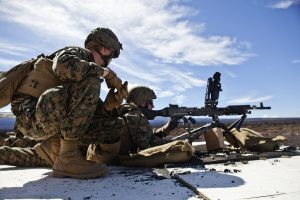
Some seek out the stage and are reluctant to give up the microphone. Others are placed on the stage and are reluctant to take credit for their accomplishments. What follows is the exceptional story of a member of the latter group, self-branded as “Dark Horse.”
As a California teen in the ‘90s, Amatangelo “AJ” Pasciuti (Pa-shoo-tee) was a self-proclaimed average kid who was motivated by the 9/11 assault on America to fight back. Against the wishes of his first-generation Italian father, he enlisted in the Marines, describing his decision as “That pivotal moment many of us take when we leave the nest to carve our own path to adulthood.”
Fast forward to 2006 when Sgt. Pasciuti is a sniper team leader in Iraq, reacting to the taunting videos posted by the Iraqis who had filmed American soldiers being shot. These videos would later become critical evidence that lead to Iraqi sniper Juba’s death. (For context, from March 2003 to the end of 2006, the number of Americans killed and wounded in Iraq would climb to 3,004 and 22,965, respectively.)
Part 1: How We Killed Juba
“The hubris of the Iraqi PR videos not only pissed us off, but it helped compel us to finding and killing the videos’ author, aka ‘Juba,’” said AJ at a September 2026 presentation at the National Museum of the Marine Corp in Quantico, Va. As AJ recounted, “We began by reviewing the horrid details of each and every video that not only depicted the death of our fellow snipers and servicemen but also unintentionally yielded telltale evidence about the Iraqi snipers’ habits and techniques. For example, we learned that, based on the camera’s field of view, shots were taken near the ground, but not at ground level. The videos also disclosed a rapid, smooth escape, as if the shooter had been in a vehicle, rather than a bouncing film that would have been characteristic of someone running away after the shot.”
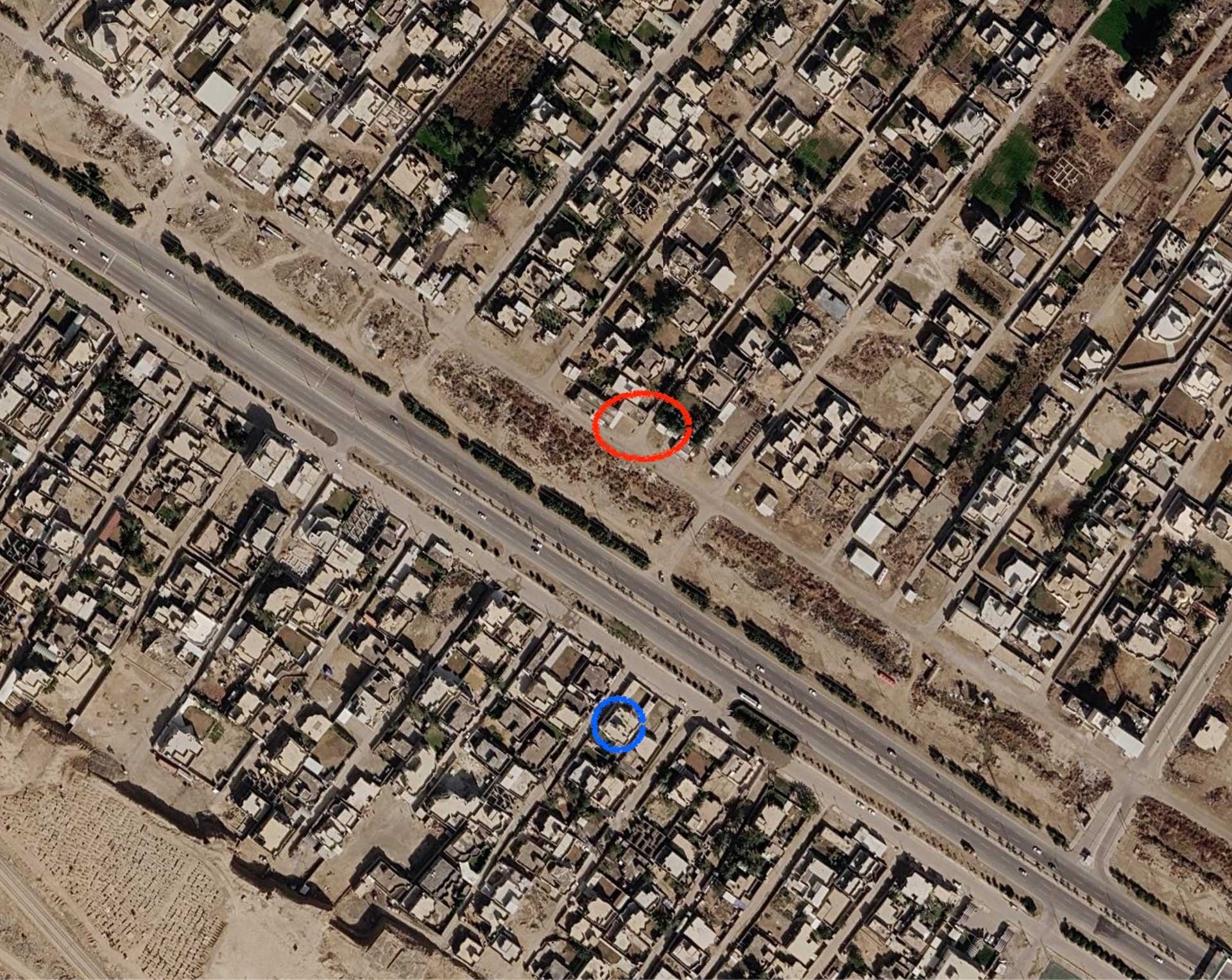
“Next, with the help of our intel NCOs and officers who had plotted the location of each of our fallen brothers, we visited and stood in as many locations as we could where a service member had been killed. Standing at each of those locations, one after another, my Scout-Sniper partner and I assessed where WE would have set up for that kill shot. One night, while studying one such reverse-engineered position on a typical flat, residential roof, lined by a 2- to 4-foot high perimeter of bricks, I noticed a small hole, much like the ‘spider hole’ we would have created to shoot through. As I crouched into a push-up position to peer through the hole, I found that I was looking down the precise line-of-sight to the spot we had stood in moments before where our fellow Marine had sacrificed his life.”
Peering through his PVS-14 (monocle night vision goggles) that AJ described as looking like they’d been “cleaned with milk” (i.e. blurred), he discovered two brass 7.62 mm cartridge cases, apparently from the very rounds used by the Iraqi sniper. On the cartridge case heads was inscribed “LC” for Lake City Arsenal. The Iraqis were using American ammunition, pilfered from deceased Marines.
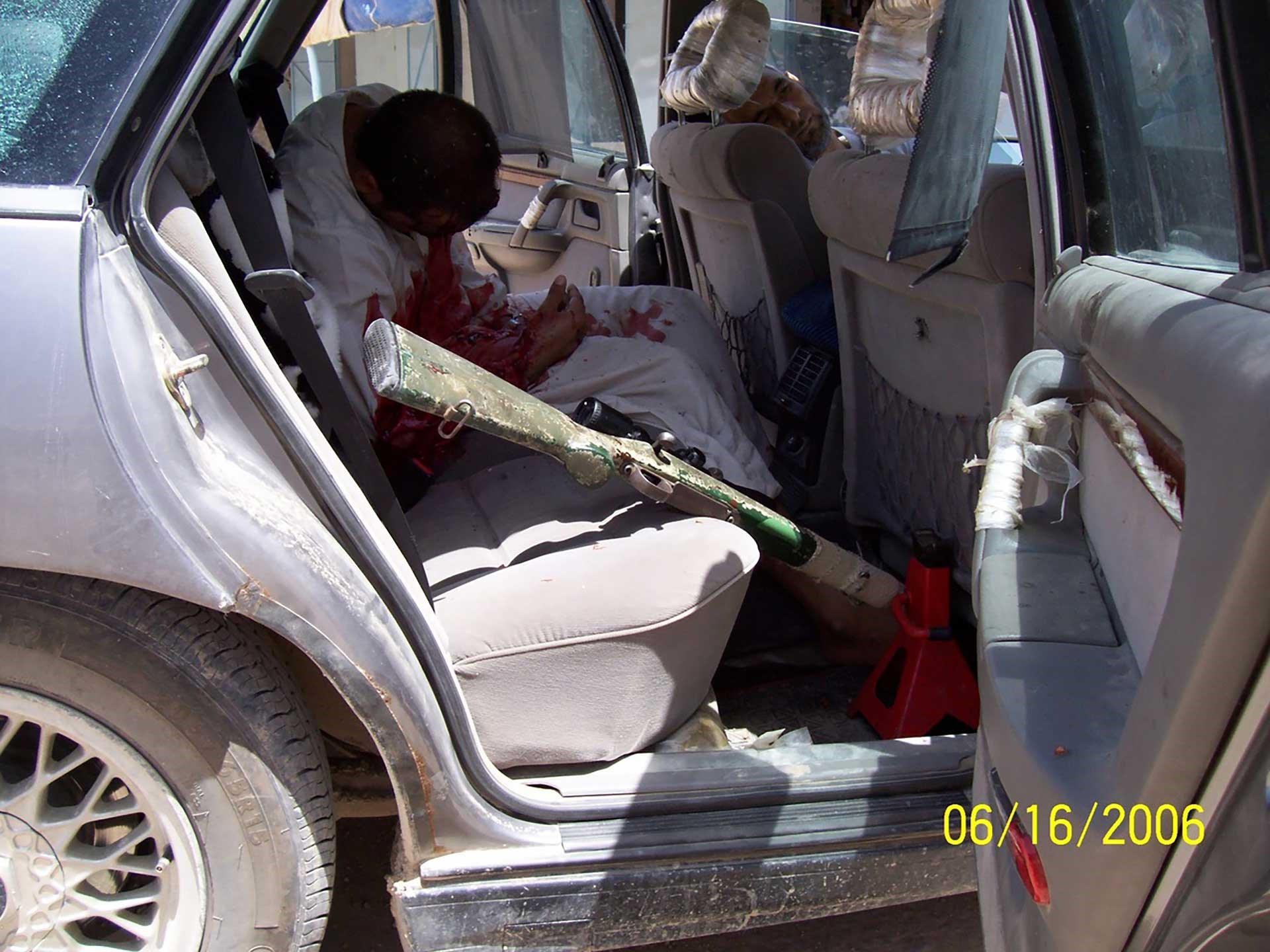
“In the days that followed, after losing more Americans due to a gap in our defenses created when Marines left their post to assist casualties, the idea struck me that we could create such a gap to set a trap for the Iraqi’s now-familiar response to our movements. This trap led to the sighting of Juba, in a car as we had predicted, while holding the very camera he had used to create the PR videos. I aimed my M40A3 sniper rifle a few inches above the reflection of the camera lens, picturing how the camera would rest against his eye, and squeezed the trigger.”
The postmortem analysis confirmed that the target was Juba, based in part on his use of an American M40 sniper rifle, his I.D. card and the camera that linked him to the propaganda videos.
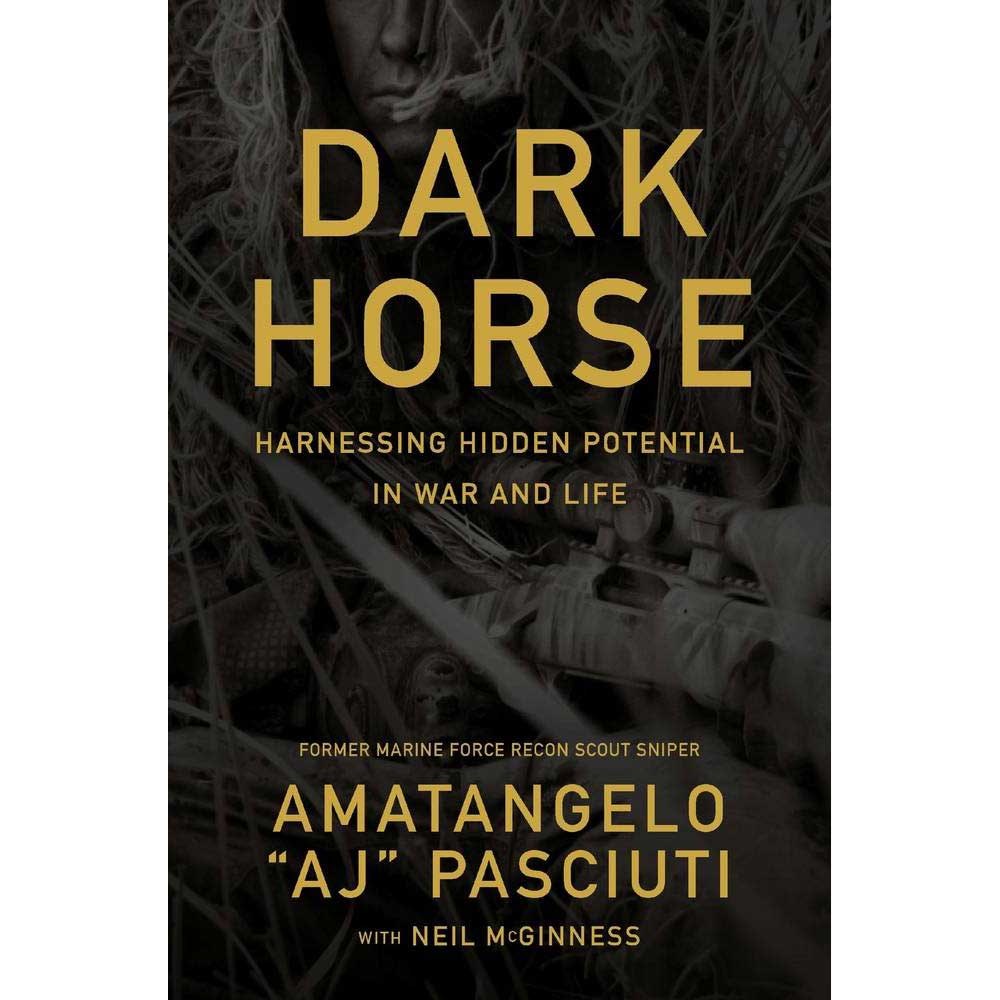
Part 2: The Book – Dark Horse
Dark Horse: Those with hidden potential; not favored to win a race.
Not wanting to write a book about “war pornography,” AJ and his co-author, Neil McGinness, have done a masterful job of writing – not a biography as some memoirs have done, but a painfully honest account of AJ’s successes, as told above, as well as his failures with how to deal with the “forever loss” of friends in battle. The transparent account of turning to alcohol or smoking a cigarette after learning of his roommate’s death the night before and immediately returning to duty with no time to mourn, will leave the reader with an insider’s account of the lasting scars from the unholy landscape of military combat.
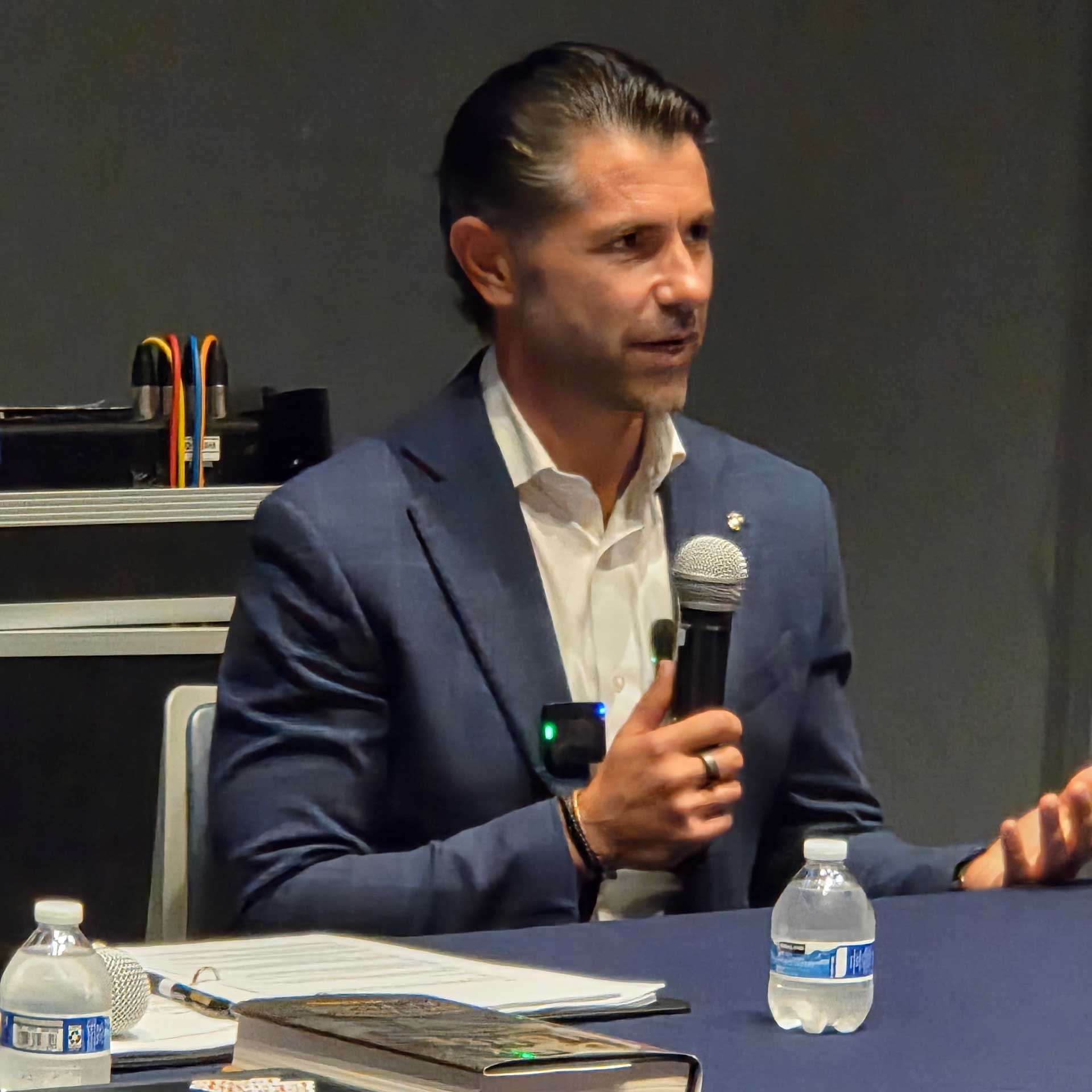
If you meet someone with Post Traumatic Stress Syndrome (PTSD), reading Dark Horse probably won’t give you any answers. But it may help you to understand the emotionally numbing sacrifices made by our young Americans, through the eyes of a “dark horse,” a man who may not have been destined for a remarkable career, but nevertheless achieved one through his service to his country, his book and his inspirational lectures with an infectious, positive American spirit. From AJ: “Dream big, serve others, and measure success not by status but by impact.”
For more about AJ’s career, military decorations and contact information, visit ajpasciuti.com.
[Editor’s note: Insights for this article were assisted by the author’s own 1978-79 assignment as the Officer-In Charge/Lead Instructor at 3rd Marine Division Sniper School, Okinawa, Japan.]
Read the full article here